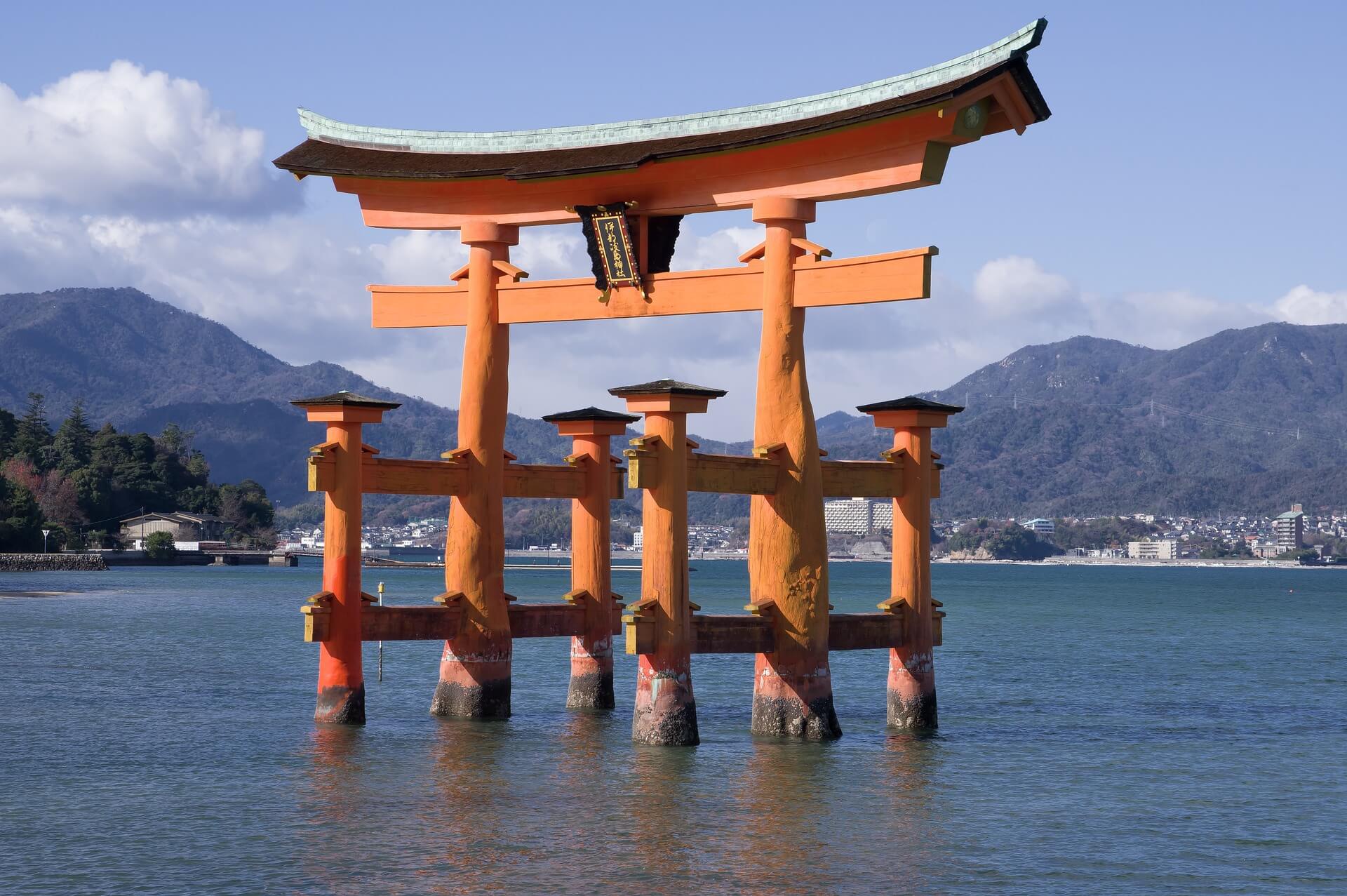
Planning a trip to Miyajima, Japan? This complete Miyajima Travel Guide covers the essential information you need to plan your visit.
Located in Hiroshima Prefecture in the Seto Inland Sea, Miyajima is famous for the iconic Itsukushima Shrine and its floating torii gate, but there is much more to explore. The island combines historic temples and shrines, traditional streets, local food, forests, mountain scenery, and spectacular views from Mount Misen.
Itsukushima Shrine was added to the UNESCO World Heritage List in 1996. The site is especially famous for the way its architecture, sea, and mountains come together to create one of Japan’s most recognizable landscapes.
Whether you’re visiting Miyajima as a day trip from Hiroshima or staying overnight, this guide will help you plan what to see, what to eat, where to stay, how to get around, and how much to budget.
📌 Miyajima Travel Guide at a Glance
- 🌍 Country: Japan
- 🗾 Location: Hiroshima Prefecture
- 🗣️ Language: Japanese
- 💴 Currency: Japanese Yen (JPY / ¥)
- 🕐 Time Zone: Japan Standard Time (JST, UTC+9)
- 🌤️ Best Time to Visit: March–May and October–November
- 🚢 Getting Around: Walking, ropeway, local buses where available
- 💵 Average Daily Budget: About $60–$200+ per person, excluding transportation to Miyajima and accommodation
- 📅 Recommended Stay: 1–2 days
Miyajima is compact enough to explore on foot, and the Miyajima Tourist Association specifically recommends walking for sightseeing.
⛩️ Hiroshima & Miyajima UNESCO Tour
Explore Hiroshima and Miyajima in a single day on a small-group tour featuring two of the area's most important UNESCO World Heritage Sites.
Book the Tour →🗺️ Best Things to Do in Miyajima
Miyajima has an excellent combination of famous landmarks, historic temples, traditional streets, mountain scenery, and cultural experiences.
⛩️ 1. Visit Itsukushima Shrine
Itsukushima Shrine is the island’s most famous attraction and the centerpiece of any Miyajima itinerary.
The shrine’s buildings appear to float above the water at high tide, creating the iconic landscape that has made Miyajima famous around the world.
The shrine has deep religious and historical significance. UNESCO describes Itsukushima as a sacred Shinto site and highlights the unique relationship between its architecture, the sea, and Mount Misen.
Tip: Check the tide times before your visit. The appearance of the shrine and torii gate changes significantly between high and low tide.
⛩️ 2. See the Great Torii Gate
The O-Torii Gate is one of Japan’s most recognizable landmarks.
Located offshore from Itsukushima Shrine, the large vermilion gate is particularly impressive at high tide when it appears to stand in the sea.
At low tide, visitors can sometimes walk toward the gate across the exposed shoreline.
🏔️ 3. Go to the Top of Mount Misen
For one of the best views in Miyajima, head up Mount Misen.
The mountain rises to 535 meters and has been regarded as a sacred mountain for centuries. Its summit area contains religious sites, unusual rock formations, and panoramic viewpoints over the Seto Inland Sea.
The easiest option for many visitors is the Miyajima Ropeway. From Shishiiwa Station, it is approximately a 30-minute walk to the summit.
🏯 4. Explore Daisho-in Temple
Daisho-in is one of Miyajima’s most interesting Buddhist temples.
The temple complex sits on the lower slopes of Mount Misen and offers a quieter experience away from the busiest streets around Itsukushima Shrine.
It’s also an excellent place to experience Miyajima’s religious heritage and enjoy seasonal scenery.
🌳 5. Walk Through Momijidani Park
Momijidani Park is located at the foot of Mount Misen and is particularly beautiful during autumn.
The park contains numerous maple trees, making it one of the island’s best places to enjoy fall colors. The Miyajima Tourist Association notes that autumn colors generally begin appearing around mid-November, with peak color often around November 20, although weather can change the timing.
🏯 6. See the Five-Storied Pagoda
The Five-Storied Pagoda stands on a hill above the historic town area.
Originally constructed in 1407 and restored in 1533, the pagoda combines Japanese and Chinese architectural influences.
It is especially photogenic when viewed together with the traditional streets and surrounding greenery.
🏛️ 7. Visit Senjokaku
Senjokaku, also known as Hokoku Shrine, is a large unfinished wooden structure associated with Toyotomi Hideyoshi.
Construction began as a Buddhist sutra hall and was never completed after Hideyoshi’s death.
The spacious wooden interior and elevated location make it a memorable stop near the Five-Storied Pagoda.
🦌 8. Explore Miyajima’s Traditional Streets
Spend some time simply walking around the island rather than moving from attraction to attraction.
The streets around Omotesando Shopping Arcade and Machiya Street contain traditional buildings, food shops, souvenir stores, cafés, and small lanes.
Miyajima’s back streets are also worth exploring if you want a quieter atmosphere.
🐠 9. Visit Miyajima Public Aquarium
The Miyajima Aquarium focuses on marine life from the Seto Inland Sea.
It is a good option for families or travelers who want a break from temples and outdoor sightseeing.
🥄 10. See the Giant Rice Scoop
Miyajima is famous for its traditional wooden rice scoops, known as shakushi.
The island even has a giant rice scoop measuring approximately 7.7 meters long, reflecting Miyajima’s traditional craftsmanship.
👉 For a deeper list of attractions, see my 10 Best Things to Do in Miyajima guide.
🏛️ Explore Miyajima’s History & Culture
Miyajima is much more than a scenic island.
The island has long been considered sacred, with Mount Misen and the surrounding landscape playing an important role in its spiritual history.
⛩️ Historic Sites
- Itsukushima Shrine
- Great Torii Gate
- Daisho-in Temple
- Daiganji Temple
- Five-Storied Pagoda
- Senjokaku
- Tahoto Pagoda
Itsukushima Shrine’s present architectural tradition dates back to the 12th century, while the island itself has been considered a sacred place since much earlier times.
🏘️ Traditional Streets
Explore Machiya Street, Omotesando, and the smaller lanes around the historic center.
These areas are ideal for seeing traditional architecture, browsing shops, and trying local snacks.
🎎 Cultural Experiences
Miyajima is also known for traditional crafts, particularly wooden rice scoops and other handmade products.
At the Miyajima Traditional Crafts Center, visitors can see traditional crafts and participate in experiences such as making Momiji Manju and carving a rice scoop.
🌅 Hiroshima & Miyajima Highlights
Visit two iconic destinations in one day and discover Hiroshima's historic sites and Miyajima's cultural treasures with a small group and local guide.
View the Tour →🍜 What to Eat in Miyajima
Food is an important part of experiencing Miyajima.
The island’s location in the Seto Inland Sea means seafood features heavily on local menus.
Be sure to try these specialties:
- 🦪 Miyajima Oysters — Fresh oysters prepared in several different styles.
- 🍚 Anago-meshi — Grilled conger eel served over rice and one of Miyajima’s best-known local dishes.
- 🥞 Okonomiyaki — Hiroshima-style savory pancakes are available on the island.
- 🍁 Momiji Manju — A maple-leaf-shaped cake traditionally filled with sweet bean paste, with many modern variations available.
- 🍦 Momiji Manju Desserts — Fried and other creative versions of the island’s famous maple-leaf snack are popular with visitors.
Miyajima’s official tourism association identifies oysters, anago-meshi, and okonomiyaki among the island’s notable local foods.
🏘️ Best Areas & Neighborhoods in Miyajima
Miyajima doesn’t have large city-style neighborhoods, but different parts of the island offer very different experiences.
⛩️ Around Itsukushima Shrine
Best for first-time visitors and sightseeing.
This is the most convenient area for exploring the shrine, Great Torii Gate, Five-Storied Pagoda, Senjokaku, and surrounding historic streets.
🛍️ Omotesando & Machiya Street
Best for food and shopping.
You’ll find restaurants, snack shops, cafés, souvenir stores, and traditional buildings.
🏯 Daisho-in Area
Best for history, culture, and a quieter atmosphere.
This area gives you easier access to Daisho-in and the lower slopes of Mount Misen.
🌳 Momijidani Area
Best for nature and Mount Misen access.
Momijidani Park is particularly attractive during autumn and is also an important starting point for reaching the ropeway.
💡 Tip: For a first visit, staying close to the historic center is the easiest option. If you’re visiting as a day trip, you can explore the main town area on foot and then continue toward Mount Misen.
📅 How Many Days Do You Need in Miyajima?
For most travelers, 1–2 days is enough to experience the highlights of Miyajima.
A day trip works well for the main shrine, traditional streets, food, and Mount Misen. Staying overnight gives you more time to enjoy the island after many day visitors have left.
🗓️ 1 Day in Miyajima
Start with Itsukushima Shrine and the Great Torii Gate, explore the historic streets, have lunch featuring local food, then visit Daisho-in and Mount Misen.
If you’re using the ropeway, allow enough time for the ride and the walk between Shishiiwa Station and the summit.
The official Miyajima Tourist Association’s one-day model course includes Itsukushima Shrine, Daiganji, Daisho-in, Momijidani Park, the ropeway, Mount Misen, the Five-Storied Pagoda, and Senjokaku.
🗓️ 3 Days in Miyajima
Three days is more than most visitors need for Miyajima itself, but it can work well if you want a slower trip.
Use the extra time for:
- Longer Mount Misen hikes
- More temples and shrines
- The aquarium
- Traditional craft experiences
- Food exploration
- Photography
- Nearby Hiroshima attractions
👉 See my 3 Days in Miyajima itinerary.
🌤️ Best Time to Visit Miyajima
Miyajima can be visited year-round, but spring and autumn are particularly attractive.
🌸 Spring — March to May
Spring brings comfortable sightseeing weather and seasonal flowers.
Cherry blossoms generally reach their best around early April, and Miyajima has approximately 1,900 cherry trees across the island.
Spring is an excellent choice for walking, photography, and exploring the temples and parks.
☀️ Summer — June to August
Summer brings warm and humid conditions.
The longer daylight hours can be useful for sightseeing, but hiking Mount Misen can feel demanding in hot weather.
If you hike, bring plenty of water and wear appropriate footwear.
🍂 Autumn — October to November
Autumn is one of the best seasons to visit Miyajima.
The maple trees around Momijidani Park and Daisho-in create beautiful fall scenery.
The best period is generally mid-to-late November, although exact timing changes with the weather.
❄️ Winter — December to February
Winter is cooler and generally quieter than the major spring and autumn periods.
It’s a good option if you prefer fewer crowds and don’t mind cooler weather.
💡 Best overall time: Late October through November, or late March through May
For autumn foliage, November is especially attractive. For cherry blossoms, early April is a strong choice.
🚢 Getting Around Miyajima
Getting around Miyajima is relatively simple because many of the major attractions are within walking distance.
🚢 Ferry
Most visitors arrive via Miyajimaguchi, where ferries cross to Miyajima.
The ferry journey takes approximately 10 minutes. Two main ferry operators serve the route: JR West Miyajima Ferry and Miyajima Matsudai Kisen.
🚶 Walking
Walking is the best way to explore the historic center.
The tourist association recommends walking for sightseeing and provides several walking routes around the island.
🚡 Ropeway
The Miyajima Ropeway connects the Momijidani area with Mount Misen.
Current tourist information lists typical operating hours around 9:00 a.m. to 5:00 p.m., although schedules vary seasonally.
🚗 Cars
A car isn’t necessary for most visitors.
The island’s roads are narrow, and the local tourism authority advises that Miyajima is not well suited to sightseeing by car.
💡 Transportation Tip: Allow extra time for the ferry, especially during busy weekends and holiday periods.
Also remember that Miyajima currently charges a ¥100 visitor tax per entry, generally collected with the ferry fare.
💵 How Much Does a Trip to Miyajima Cost?
Your total cost will depend on accommodation, food, activities, and how much you spend on tours.
💰 Budget Traveler
About $60–$90 per day
- Budget accommodation or hostel
- Affordable local meals
- Walking
- Limited paid attractions
- Basic snacks and drinks
💵 Mid-Range Traveler
About $100–$200 per day
- Comfortable hotel or ryokan
- Restaurant meals
- Ferry and Mount Misen activities
- Paid attractions
- Occasional tours
💎 Luxury Traveler
About $200+ per day
- Upscale ryokan or hotel
- Higher-end dining
- Private guides
- Premium experiences
- More extensive sightseeing
Transportation to Miyajima and accommodation can significantly change these totals.
💡 Money-Saving Tip: Stay in Hiroshima and visit Miyajima as a day trip if you want to reduce accommodation costs.
🛏️ Where to Stay in Miyajima
Staying overnight isn’t necessary, but it can be a great experience.
🏙️ Best for First-Time Visitors: Miyajima Historic Center
Staying near the main town area puts you close to Itsukushima Shrine, restaurants, shops, and major sightseeing spots.
It’s particularly convenient if you want to explore the island early in the morning or after day-trippers leave.
💰 Best for Budget Travelers: Hiroshima
For travelers focused on saving money, staying in Hiroshima and taking the train and ferry to Miyajima can provide more accommodation choices.
Miyajima itself has fewer budget options.
🏛️ Best for History & Culture: Central Miyajima
Staying near the historic center makes it easy to explore the shrine, pagoda, Senjokaku, Daiganji, and traditional streets.
👨👩👧 Best for Families: Central Miyajima or Hiroshima
Families who want convenience may prefer central Miyajima, while those planning to combine Miyajima with Hiroshima’s attractions may find Hiroshima more practical.
2026 note: Hiroshima Prefecture introduced an accommodation tax from April 1, 2026, so check your accommodation’s current pricing when booking.
🎒 Miyajima Travel Tips
Before visiting Miyajima, keep these practical tips in mind:
- 🚢 Check the ferry schedule before leaving Hiroshima.
- 🌊 Check the tide times if seeing the Great Torii Gate is a priority.
- 👟 Wear comfortable walking shoes.
- 💵 Carry some Japanese yen.
- 📱 Keep a map available for the island’s walking routes.
- 🎟️ Check current attraction and ropeway schedules before visiting.
- 🏔️ Bring water if hiking Mount Misen.
- 🌤️ Check the weather before hiking.
- ⏰ Start early if you want a quieter experience.
- 🦌 Give the island’s deer plenty of space and don’t feed them.
- 🎒 Carry a small day bag for walking.
- 🚢 Remember the ¥100 Miyajima visitor tax when budgeting for your ferry.
Mount Misen’s official hiking guidance recommends appropriate footwear, plenty of drinking water, checking ropeway schedules, and avoiding late-day hikes because trails can become difficult to navigate after dark.
🎫 Best Tours & Experiences in Miyajima
A guided experience can be useful if you want to understand the island’s religious history, architecture, and traditions.
Consider adding:
- ⛩️ Miyajima Historical Walking Tour
- 🏯 Miyajima Shrines & Temples Tour
- 🍜 Miyajima Food Tour
- 🥢 Traditional Japanese Cooking Experience
- 🏔️ Mount Misen Hiking Tour
🛍️ What to Buy in Miyajima
Miyajima has several traditional souvenirs worth looking for.
Consider:
- 🥄 Shakushi Rice Scoops — One of Miyajima’s best-known traditional crafts.
- 🍁 Momiji Manju — Maple-leaf-shaped cakes that make an easy edible souvenir.
- 🎎 Traditional Crafts — Handmade wooden and paper items.
- 🔔 Miyajima Bells — Small traditional-style souvenirs.
- 🎨 Miyajima-bori — Traditional wood carving.
The island’s traditional craft culture is closely connected with wooden products, including its famous rice scoops.
Omotesando Shopping Arcade is one of the easiest places to browse for food souvenirs and gifts.
🗺️ Best Day Trips from Miyajima
Miyajima is already a popular day trip from Hiroshima, but if you’re staying overnight, you can use the island as a base for exploring the surrounding region.
🏙️ Hiroshima
Travel time: Approximately 30 minutes from Hiroshima Station to Miyajimaguchi, followed by the ferry.
Visit the Hiroshima Peace Memorial Park, Atomic Bomb Dome, museums, and downtown areas.
Hiroshima is the easiest destination to combine with Miyajima.
🏯 Iwakuni
Travel time: Approximately 30–60 minutes depending on your route.
Visit Kintai-kyo Bridge, explore the historic area, and enjoy views around Iwakuni Castle.
🏘️ Onomichi
Travel time: Around 1–1.5 hours depending on connections.
Onomichi is known for hillside temples, narrow streets, traditional architecture, and views over the Seto Inland Sea.
🧳 What to Pack for Miyajima
What you need will depend on the season and whether you plan to hike Mount Misen.
- 👟 Comfortable walking shoes
- 🏔️ Hiking shoes if climbing Mount Misen
- 🌤️ Weather-appropriate clothing
- ☔ Compact umbrella or rain jacket
- 🔌 Travel adapter
- 📱 Phone and charging equipment
- 💳 Credit/debit cards
- 💵 Some Japanese yen
- 🎒 Comfortable day bag
- 🧴 Personal travel essentials
- 💧 Reusable water bottle
💡 Packing Tip: If you plan to hike Mount Misen, prioritize comfortable footwear and water over packing a large amount of extra clothing.
Frequently Asked Questions About Miyajima
How many days do you need in Miyajima?
One full day is enough for most first-time visitors to see the major attractions. Staying one night allows you to explore at a slower pace and experience the island outside peak daytime hours.
What is the best time to visit Miyajima?
Spring and autumn are among the best seasons. Early April is popular for cherry blossoms, while mid-to-late November is particularly good for autumn foliage.
Is Miyajima expensive?
Miyajima can be moderately expensive, especially for accommodation and popular restaurants. A budget traveler can keep daily spending around $60–$90, while a comfortable mid-range trip may cost around $100–$200 per day, excluding major transportation costs.
Is Miyajima easy to get around?
Yes. The main sightseeing area is very walkable, and the tourist association recommends walking for sightseeing. The ropeway provides an easier way to reach Mount Misen.
What food should I try in Miyajima?
Start with oysters, anago-meshi, okonomiyaki, and Momiji Manju. Anago-meshi, in particular, is one of Miyajima’s signature local dishes.
Is Miyajima good for first-time visitors?
Yes. Miyajima is one of the easiest Japanese destinations to add to a first trip because its main attractions are concentrated around a walkable historic area, while Hiroshima provides easy access to the island.
🌍 Final Thoughts on Visiting Miyajima
Miyajima is one of Japan’s most memorable destinations, combining historic architecture, religious traditions, local food, mountain scenery, and the beautiful landscape of the Seto Inland Sea.
Itsukushima Shrine and the Great Torii Gate may be the main attractions, but the island is worth exploring beyond the famous photograph.
Spend time walking through the historic streets, visiting Daisho-in, exploring Momijidani Park, trying local oysters and anago-meshi, and heading up Mount Misen for panoramic views.
If you have the time, staying overnight can also give you a different perspective on the island after the busiest daytime hours.
With a little planning, you can create a Miyajima itinerary that fits your schedule, budget, and travel style.
🌏 Ready to explore Miyajima? Start planning your trip today!