When travelers think about South Korea, cities like Seoul and Busan usually steal the spotlight. But tucked away in the southeastern part of the country is Daegu — a city filled with mountain views, traditional villages, quiet cafés, colorful streets, and local culture waiting to be discovered.
Known as Korea’s “Apple City” and famous for its hot summers, Daegu blends modern city life with hidden pockets of history and nature. Beyond the busy shopping streets and famous attractions lies another side of the city — peaceful hanok villages, secret hiking trails, mural alleys, local markets, and stunning viewpoints that many tourists miss entirely.
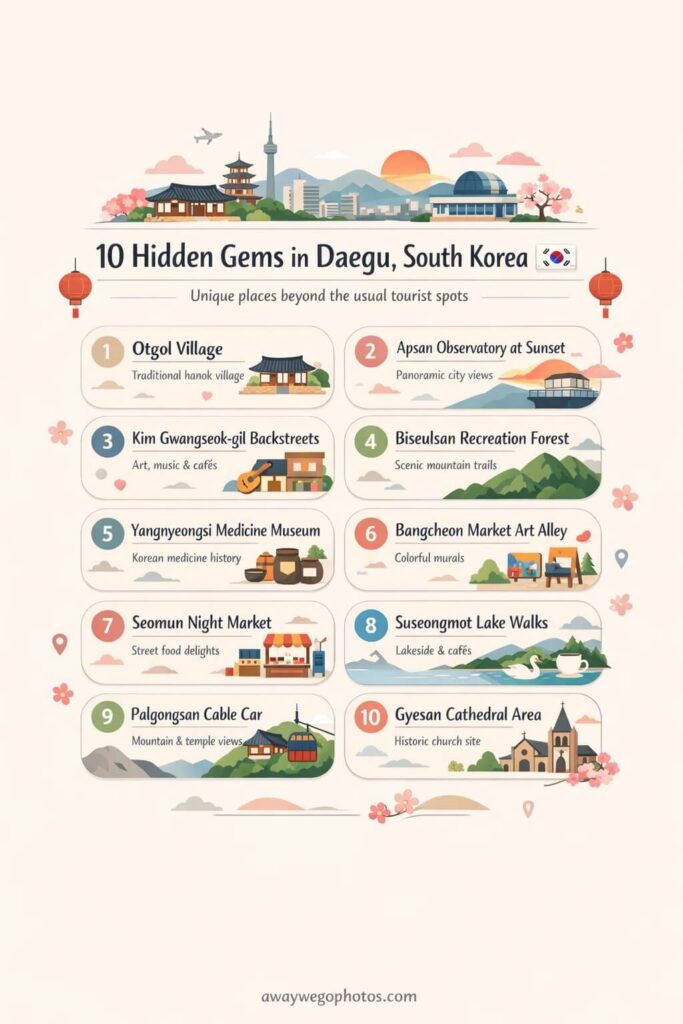
This guide explores 10 hidden gems in Daegu that deserve a spot on your South Korea itinerary.
📍 Basic Information About Daegu
- Country: South Korea
- Region: Southeastern Korea
- Population: Approximately 2.3 million
- Known For: Mountains, herbal medicine, hot summers, apples, cafés, traditional markets, and Korean culture
- Nearest Major Cities: Busan and Seoul
- Main Transportation: KTX high-speed rail, subway system, buses, taxis
Daegu is South Korea’s fourth-largest city and is surrounded by beautiful mountains, making it one of the country’s best destinations for hiking and slow travel.
🇰🇷 Daegu Day Tour with 83 Tower Visit and Palgongsan Cable Car
Discover the highlights of Daegu on a full-day guided tour featuring panoramic city views from 83 Tower and a scenic ride on the Palgongsan Cable Car. Perfect for travelers looking to experience Daegu’s mix of urban attractions and natural beauty.
View Tour & Check Availability*This post may contain affiliate links. I may earn a small commission at no extra cost to you.
🏛️ History & Background of Daegu
Daegu has a long and fascinating history dating back thousands of years. During the Joseon Dynasty, the city became an important center for trade, medicine, and transportation. It was particularly known for herbal medicine and textiles.
The city played a significant role during the Korean War as one of the few major areas not captured during the conflict. Over time, Daegu evolved into a modern metropolitan city while still preserving traditional Korean culture.
Today, visitors can still discover traces of old Korea hidden between modern skyscrapers and trendy cafés.
📍Map
🏡 1. Otgol Village
🌟 Key Highlights
- Traditional Korean hanok houses
- Peaceful countryside atmosphere
- Historic stone walls and old trees
- Excellent photography location
📖 History & Background
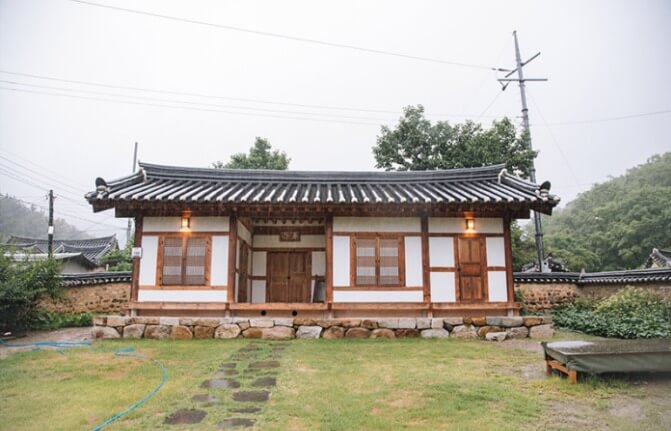
Otgol Village is one of Daegu’s oldest traditional clan villages. The village dates back to 1616 and was established by the Gyeongju Choi family during the Joseon Dynasty. Unlike many modernized villages across Korea, Otgol has preserved its traditional architecture and cultural atmosphere remarkably well.
The village contains beautiful hanok homes, narrow pathways, and centuries-old stone walls that transport visitors back in time.
🍂 Best Time to Visit
Autumn is especially beautiful when the maple and ginkgo trees turn golden and red.
🚇 How to Get There
Take the subway to Dongdaegu area, then connect by local bus or taxi to the village.
💡 Visitor Tips
- Visit early morning for fewer crowds
- Wear comfortable walking shoes
- Respect residents since people still live there
🎉 Fun Facts
Otgol Village contains some of the oldest surviving traditional homes in Daegu.
🎨 2. Mabijeong Mural Village
🌟 Key Highlights
- Colorful murals
- Nostalgic Korean countryside vibe
- Local food stalls
- Instagram-worthy photo spots
📖 History & Background
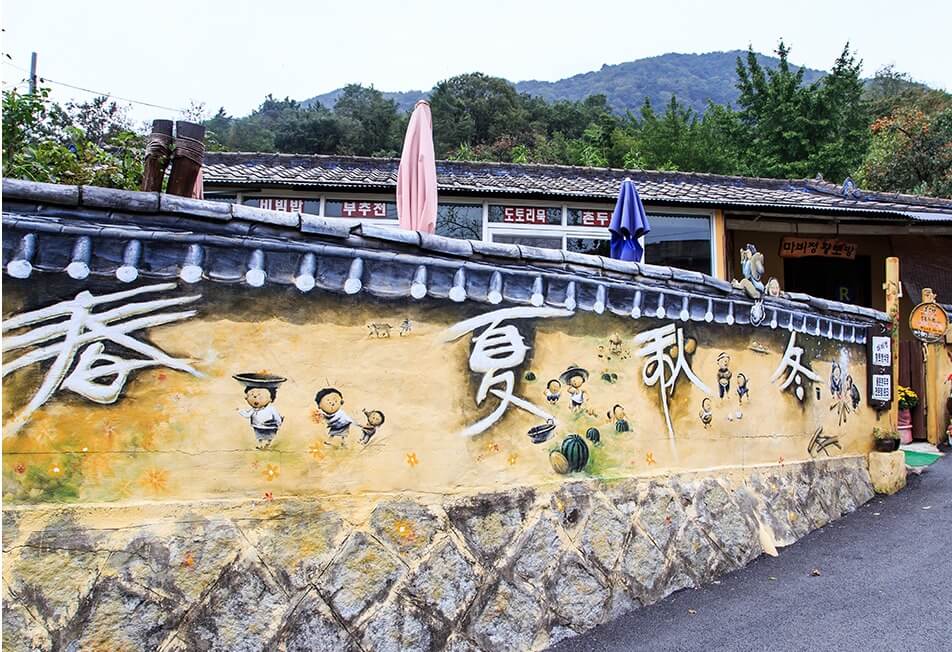
Mabijeong Mural Village transformed from a quiet rural village into a creative art destination. Artists painted murals depicting traditional Korean village life, childhood memories, and nostalgic scenes from old Korea.
The village maintains a peaceful atmosphere while showcasing local culture through public art.
🌸 Best Time to Visit
Spring and autumn provide the best weather for walking around the village.
🚇 How to Get There
Take a bus from central Daegu toward Dalseong-gun.
💡 Visitor Tips
- Try homemade Korean pancakes sold by local residents
- Bring a camera
- Visit weekdays for a quieter experience
🎉 Fun Facts
Many murals interact with visitors, allowing fun perspective photos.
⛰️ 3. Biseulsan
🌟 Key Highlights
- Massive azalea flower fields
- Scenic mountain hiking
- Panoramic viewpoints
- Nature photography
📖 History & Background
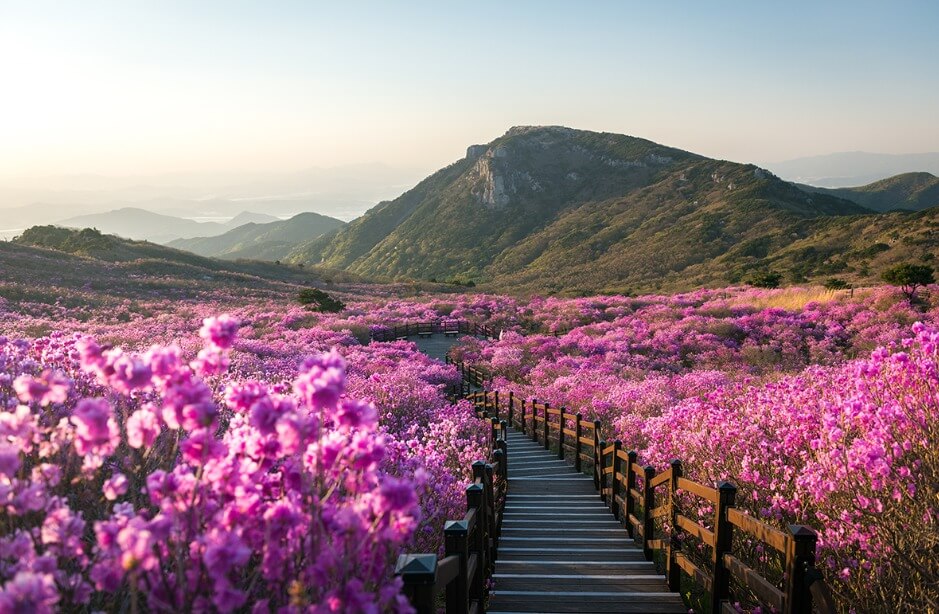
Biseulsan is one of the most beautiful mountains near Daegu. Rising over 1,000 meters, the mountain has been an important natural landmark for centuries.
Today, it is especially famous for its annual azalea bloom, when the mountainside becomes covered in vibrant pink flowers.
🌺 Best Time to Visit
Late April to early May during azalea season.
🚇 How to Get There
Take a bus from Daegu to the Biseulsan Recreational Forest entrance.
💡 Visitor Tips
- Start hikes early in the morning
- Bring water and snacks
- Weather changes quickly at higher elevations
🎉 Fun Facts
There is a 16-kilometer hiking trail connecting Biseulsan and Apsan Mountain.
🌄 4. Apsan Mountain
🌟 Key Highlights
- Secret hiking trails
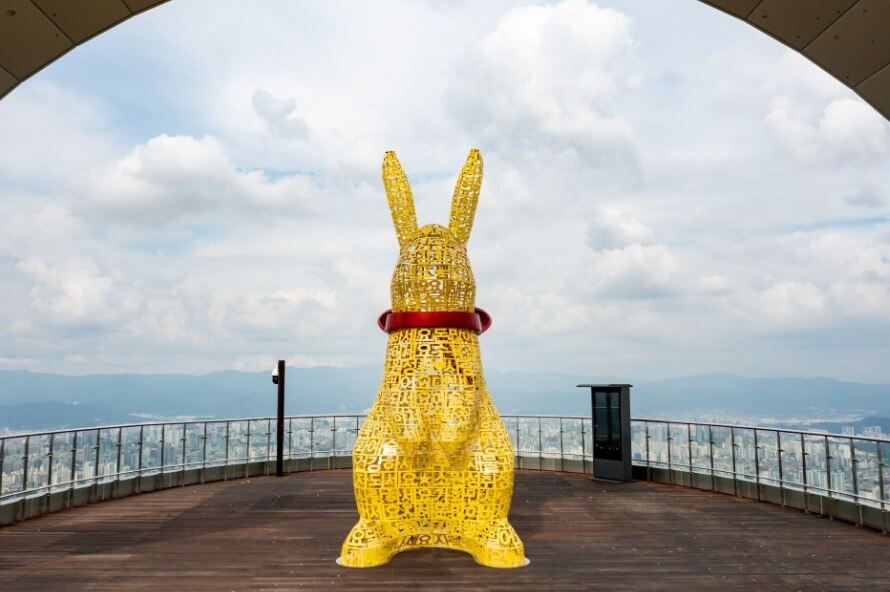
- Night city views
- Cable car rides
- Peaceful forest paths
📖 History & Background
Apsan Mountain is beloved by locals but still overlooked by many international travelers. The mountain offers scenic trails, Buddhist temples, and panoramic views of Daegu.
Hidden azalea paths and less-crowded hiking routes make Apsan feel like a secret escape within the city.
🌅 Best Time to Visit
Sunset and autumn foliage season.
🚇 How to Get There
Take Daegu subway Line 1 and transfer to buses heading toward Apsan Park.
💡 Visitor Tips
- Night views are spectacular
- Cable cars are available for easier access
- Bring layers during colder months
🎉 Fun Facts
Apsan is one of the most photographed mountain viewpoints in Daegu.
🇰🇷 Daegu: E-World Theme Park and 83 Tower Observatory Ticket
Enjoy a fun-filled day in Daegu with access to E-World Theme Park and the 83 Tower Observatory. Experience exciting rides, seasonal attractions, and panoramic city views from one of Daegu’s most iconic landmarks.
View Tour & Check Availability*This post may contain affiliate links. I may earn a small commission at no extra cost to you.
☕ 5. Hidden Café Streets of Suseong
🌟 Key Highlights
- Quiet aesthetic cafés
- Lakeside scenery
- Trendy Korean desserts
- Relaxed atmosphere
📖 History & Background
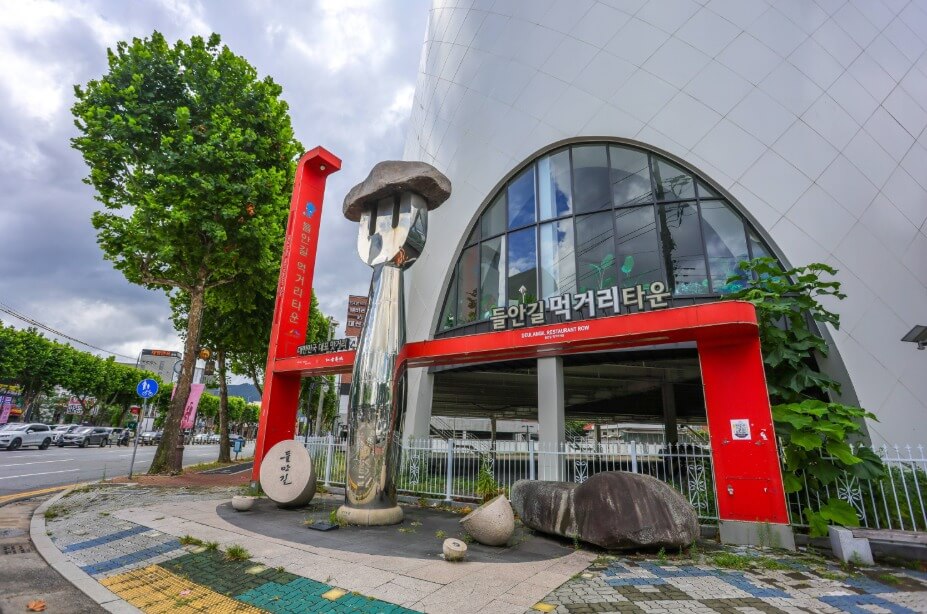
The Suseong area has quietly become one of Daegu’s most charming café districts. Away from tourist crowds, visitors can find minimalist Korean cafés, dessert shops, and scenic lakeside views.
Local residents often spend afternoons here relaxing by the water.
🌸 Best Time to Visit
Spring evenings and cool autumn afternoons.
🚇 How to Get There
Take the subway to Suseongmot Station.
💡 Visitor Tips
- Visit at sunset for the prettiest atmosphere
- Many cafés open late
- Try Korean-style soufflé pancakes
🎉 Fun Facts
Some cafés near Suseong Lake are designed inside unusual buildings like airplane-themed cafés.
🛕 6. Donghwasa Temple
🌟 Key Highlights
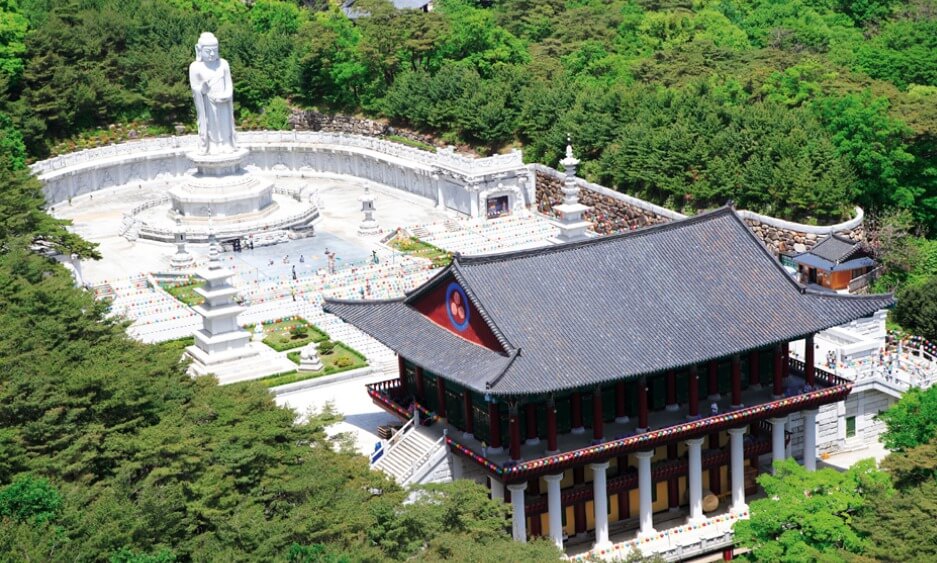
- Giant Buddha statue
- Mountain scenery
- Lantern festivals
- Traditional Korean Buddhism
📖 History & Background
Located on Palgongsan Mountain, Donghwasa Temple dates back to the 5th century. It is one of the most historically important Buddhist temples near Daegu.
Despite its beauty, many travelers skip it while visiting more famous Korean temples elsewhere.
🍁 Best Time to Visit
Spring lantern season and autumn foliage.
🚇 How to Get There
Take a bus from Dongdaegu Station toward Palgongsan.
💡 Visitor Tips
- Dress modestly
- Visit early morning for peaceful surroundings
- Temple stay programs may be available
🎉 Fun Facts
The giant stone Buddha statue stands over 17 meters tall.
🚲 7. Nakdong River Cycling Paths
🌟 Key Highlights
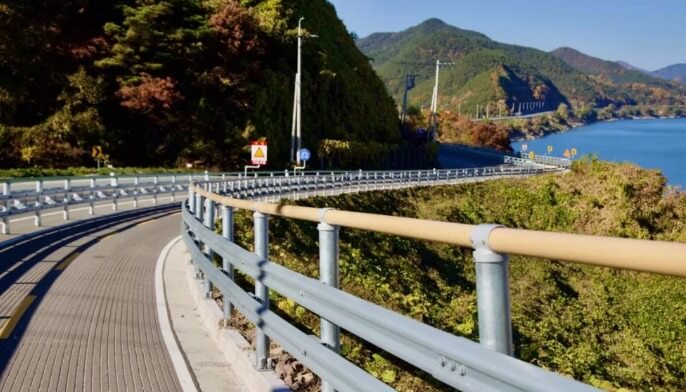
- Riverside scenery
- Peaceful cycling routes
- Cherry blossoms
- Local outdoor culture
📖 History & Background
The Nakdong River is Korea’s longest river and flows near Daegu. The cycling paths here are loved by locals but often missed by tourists.
The routes offer a quieter side of Korean life away from crowded attractions.
🌸 Best Time to Visit
Spring cherry blossom season.
🚇 How to Get There
Accessible by subway and bike rental stations around Daegu.
💡 Visitor Tips
- Rent bicycles locally
- Bring sunscreen
- Evening rides are cooler during summer
🎉 Fun Facts
Korea’s cycling infrastructure is among the best in Asia.
🛍️ 8. Seomun Market’s Hidden Alleys
🌟 Key Highlights
- Local street food
- Vintage shopping
- Traditional market atmosphere
- Night market culture
📖 History & Background
While Seomun Market itself is well known, the hidden alleys surrounding it are where travelers discover authentic local experiences. Small food stalls, fabric shops, and hidden restaurants create an unforgettable atmosphere.
The market has existed for hundreds of years and remains one of Korea’s oldest traditional markets.
🍢 Best Time to Visit
Evening during the night market.
🚇 How to Get There
Take the subway to Seomun Market Station.
💡 Visitor Tips
- Bring cash
- Try 납작만두 (flat dumplings)
- Explore side alleys beyond the main market
🎉 Fun Facts
Seomun Market was one of the three largest markets during the Joseon Dynasty.
🌿 9. Palgongsan Hidden Trails
🌟 Key Highlights
- Forest hiking
- Quiet temples
- Mountain viewpoints
- Local hiking culture
📖 History & Background
Palgongsan Mountain stretches across the Daegu region and contains countless hidden hiking routes rarely visited by international tourists.
Locals treasure the area for peaceful forest walks and spiritual retreats.
🍁 Best Time to Visit
Autumn foliage season.
🚇 How to Get There
Take buses from central Daegu to Palgongsan entrances.
💡 Visitor Tips
- Download offline maps
- Start hikes early
- Weather changes quickly
🎉 Fun Facts
Palgongsan means “Eight Public Mountains.”
🌙 10. Kim Gwangseok-gil at Night
🌟 Key Highlights
- Music-themed murals
- Cozy nightlife
- Local performances
- Artistic atmosphere
📖 History & Background
Dedicated to beloved Korean folk singer Kim Gwang-seok, this artistic street features murals, sculptures, and music-inspired art installations.
At night, the atmosphere becomes magical with lights and local musicians performing nearby.
🌆 Best Time to Visit
Evening and nighttime.
🚇 How to Get There
Take the subway to Bangogae Station and walk.
💡 Visitor Tips
- Visit nearby cafés
- Great for couples and solo travelers
- Weeknights are quieter
🎉 Fun Facts
The street was built to honor one of Korea’s most beloved musicians.
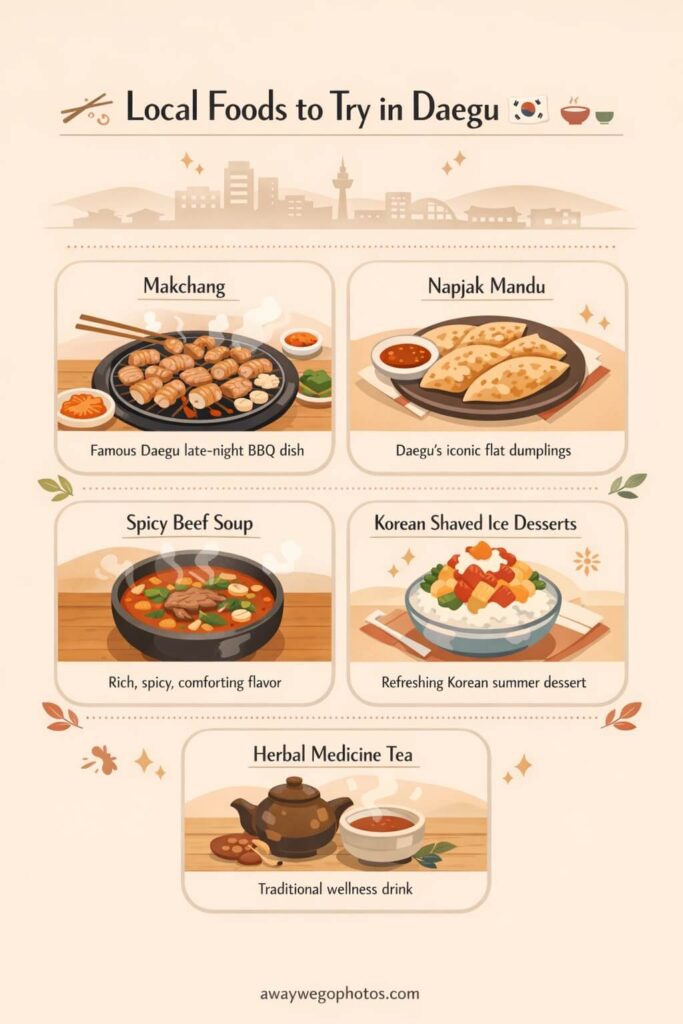
🍜 Local Foods to Try in Daegu
🍲 Must-Try Foods
- Makchang (grilled pork intestines)
- Napjak Mandu (flat dumplings)
- Spicy beef soup
- Korean shaved ice desserts
- Herbal medicine tea
Daegu is famous for bold flavors and spicy dishes.
✈️ How to Get to Daegu
🚄 By KTX Train
From Seoul:
- Approximately 1 hour 40 minutes
From Busan:
- Approximately 40 minutes
✈️ By Air
Fly into Daegu International Airport.
🚌 By Bus
Express buses connect Daegu to major Korean cities.
🌸 Best Time to Visit Daegu
Spring – Cherry blossoms and azaleas
Summer – Festivals and mountain greenery
Autumn – Stunning foliage and hiking
Winter – Fewer tourists and cozy cafés
🧳 Essential Visitor Tips
- Summers are extremely hot in Daegu
- Learn basic Korean phrases
- T-money cards help with transportation
- Many hidden gems require some walking
- Comfortable shoes are essential
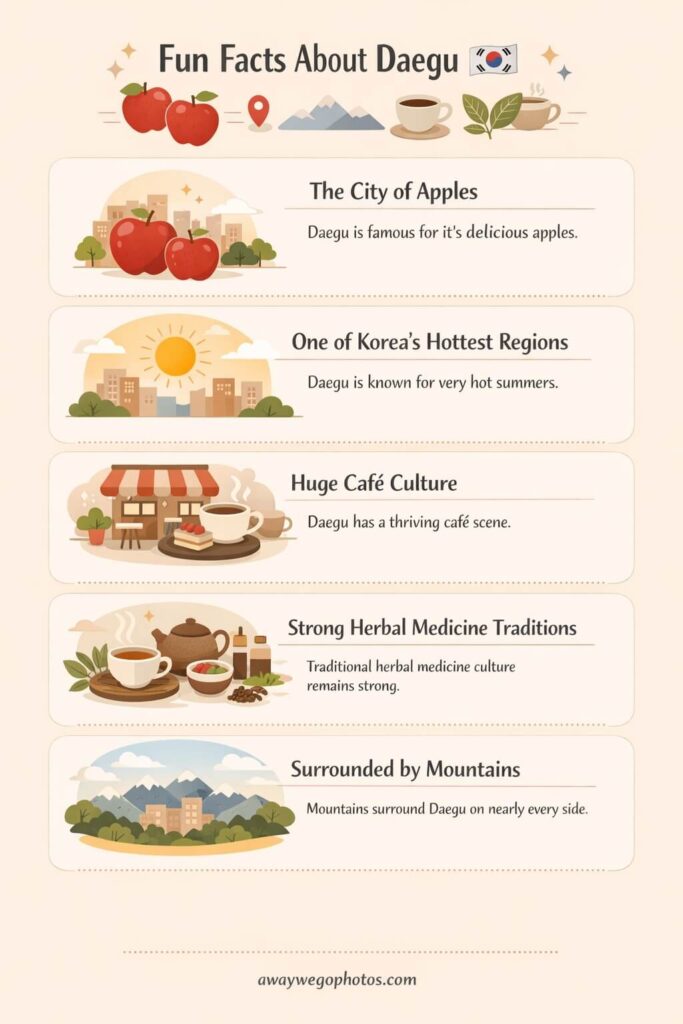
🎉 Fun Facts About Daegu
- Daegu is nicknamed “The City of Apples”
- The city is one of Korea’s hottest regions
- Daegu has a huge café culture
- Korean herbal medicine traditions remain strong
- The city is surrounded by mountains on nearly every side
✨ Helpful Korea Travel Guides
🌟Thoughts
Daegu may not receive the same global attention as Seoul or Busan, but that is exactly what makes it special. The city rewards travelers who slow down, wander hidden alleys, explore mountain paths, and embrace local culture.
From centuries-old villages and peaceful temples to hidden cafés and breathtaking mountain trails, Daegu offers a more authentic and relaxed side of South Korea.
If you are searching for a destination filled with local charm, scenic beauty, and hidden discoveries, Daegu deserves a place on your Korea bucket list.
Like this Post? Save it on Pinterest!