Planning a trip to Osaka, Japan? This complete Osaka Travel Guide covers the essential information you need to plan your visit.
Known for its lively food culture, historic landmarks, shopping streets, modern architecture, and welcoming atmosphere, Osaka is one of Japan’s most rewarding cities to explore. It is also an excellent base for discovering the wider Kansai region, with Kyoto, Nara, Kobe, and Himeji all accessible by train.
From the impressive Osaka Castle and historic Shitennoji Temple to the streets of Dotonbori, Kuromon Market, traditional neighborhoods, museums, and local restaurants, Osaka offers a great balance of history, culture, food, and modern city life.
Whether you’re visiting for the first time, traveling solo, as a couple, or with family, this guide will help you decide what to see, where to stay, what to eat, how to get around, and how much to budget.
Affiliate Disclosure: This post contains affiliate links. I may earn a small commission if you book through them, at no extra cost to you.
📌 Osaka Travel Guide at a Glance
- 🌍 Country: Japan
- 🗣️ Language: Japanese
- 💴 Currency: Japanese yen (JPY)
- 🕐 Time Zone: Japan Standard Time (JST), UTC+9
- 🌤️ Best Time to Visit: March–May and October–November
- 🚇 Getting Around: Osaka Metro, JR trains, private railways, buses, and walking
- 💵 Average Daily Budget: About ¥8,000–¥15,000 for budget to mid-range travelers, excluding accommodation
- 📅 Recommended Stay: 3 days
Osaka has an extensive public transportation network, making it possible to explore many major attractions without renting a car. Osaka Metro is particularly useful for getting around central Osaka, while JR and private railway lines are convenient for destinations outside the city.
🚶 Explore Osaka with a Local
Discover Osaka's top sights on a guided walking tour with a native expert and learn more about the city's history, culture, and neighborhoods.
Book the Tour →🗺️ Best Things to Do in Osaka
Osaka combines historic attractions with modern neighborhoods, markets, museums, parks, and some of Japan’s best-known food streets.
🏯 1. Visit Osaka Castle
Osaka Castle is one of the city’s most recognizable landmarks and an important part of Osaka’s history.
The castle is closely associated with Toyotomi Hideyoshi and the unification of Japan during the late 16th century. Today, the castle tower contains a museum, while the surrounding park provides plenty of space to walk and enjoy seasonal scenery.
Spring is particularly popular when cherry blossoms surround the castle grounds.
🌆 2. Explore Dotonbori
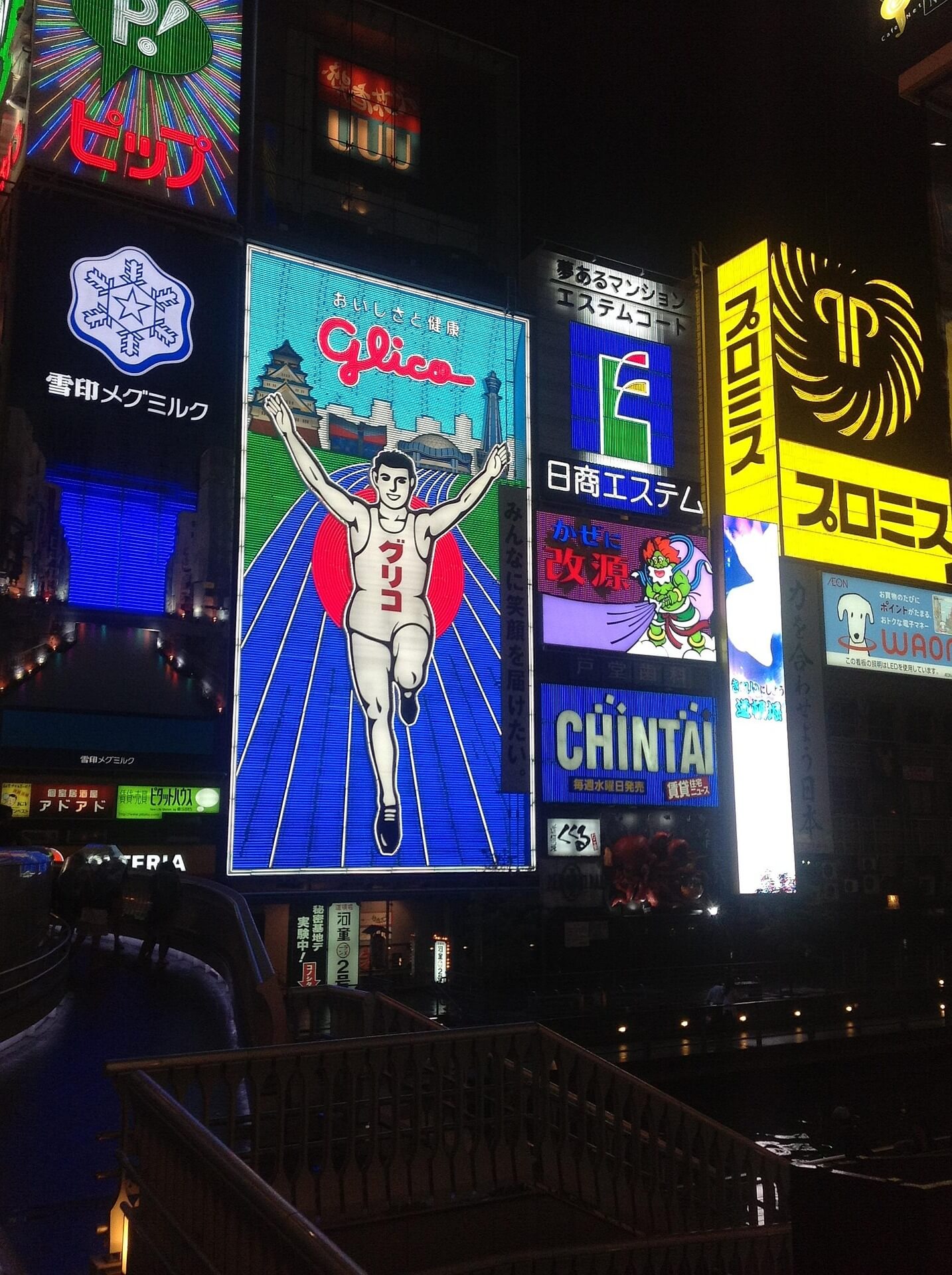
Dotonbori is one of Osaka’s most famous areas, centered around the Dotonbori River and its colorful streets.
The district is known for its large signs, restaurants, bridges, shopping, and energetic atmosphere. Walk along the canal, explore the surrounding streets, and try some classic Osaka foods such as takoyaki and okonomiyaki.
🛍️ 3. Explore Shinsaibashi & Amerikamura
Shinsaibashi is one of Osaka’s major shopping districts, with department stores, boutiques, restaurants, and covered shopping arcades.
Nearby Amerikamura has a younger, more contemporary atmosphere and is known for fashion, street culture, cafés, and independent shops.
🐟 4. Visit Kuromon Market
Kuromon Market is one of the best places to experience Osaka’s food culture.
The covered market stretches for roughly 580 meters and contains around 150 shops selling seafood, fruit, vegetables, prepared foods, and other local products. It is close to Nippombashi and Namba, making it easy to combine with a visit to Dotonbori and Den-Den Town.
Allow about one to two hours if you want to browse the market and sample food.
🏛️ 5. Discover Osaka’s Museums & Historic Sites
Osaka has several excellent museums for travelers interested in Japanese history and culture.
The Osaka Museum of History, located near Osaka Castle, explores the city’s development through different periods. Its permanent exhibition currently costs ¥600 for adults, and the museum is generally open from 9:30 a.m. to 5 p.m., with Tuesdays normally closed.
For a deeper look at Osaka’s religious and architectural history, visit Shitennoji Temple.
🏛️ Explore Osaka’s History & Culture
Osaka is often associated with food and entertainment, but the city has a long and fascinating history.
🏯 Historic Sites
Important places to explore include:
- Osaka Castle
- Shitennoji Temple
- Osaka Museum of History
- Naniwa Palace archaeological area
- Sumiyoshi Taisha
- Historic streets around Tennoji and Nippombashi
Shitennoji is particularly important. Founded in 593 by Prince Shotoku, it is recognized as Japan’s first state-sponsored Buddhist temple and has more than 1,400 years of history. Although the temple has experienced destruction from disasters and war, its present buildings reproduce the architectural style associated with its early history.
🏘️ Historic Neighborhoods
Explore areas such as Tennoji, Shinsekai, Nippombashi, and parts of the old merchant districts to see a different side of Osaka beyond its modern shopping centers.
🖼️ Museums
Good choices include:
- Osaka Museum of History
- Osaka Museum of Housing and Living
- National Museum of Art, Osaka
- Osaka Museum of Natural History
- Nakanoshima Museum of Art, Osaka
🎎 Cultural Experiences
Osaka is a good city for experiencing Japanese food culture, traditional markets, temples, seasonal festivals, shopping arcades, and everyday city life.
Don’t limit your visit to Dotonbori and Osaka Castle. Spend time walking through older neighborhoods, visiting temples, exploring markets, and stopping at local restaurants.
🍜 What to Eat in Osaka
Food is one of the biggest reasons travelers visit Osaka.
The city is famous for its casual food culture and is often associated with the expression “kuidaore,” roughly meaning to eat until you can eat no more.
Be sure to try:
- 🥢 Takoyaki — Round batter snacks filled with octopus and usually topped with sauce, mayonnaise, bonito flakes, and green seaweed.
- 🥞 Okonomiyaki — A savory Japanese pancake cooked with cabbage and other ingredients and topped with a variety of sauces and toppings.
- 🍜 Kitsune Udon — Udon noodles served with sweet seasoned fried tofu.
- 🍢 Kushikatsu — Breaded and deep-fried skewers, traditionally associated with Osaka’s Shinsekai area.
- 🍣 Sushi — Osaka has its own food traditions, including pressed sushi known as hakozushi.
For a deeper look at the city’s food culture, see my 10 Must-Try Foods in Osaka guide.
🏘️ Best Areas & Neighborhoods in Osaka
Different neighborhoods offer very different experiences, so choosing the right area can make a big difference to your trip.
🏙️ Namba & Dotonbori
Best for: First-time visitors and food lovers.
Namba is one of the most convenient areas for exploring southern Osaka. You’re close to Dotonbori, Shinsaibashi, Kuromon Market, and many restaurants and shopping streets.
🏢 Umeda & Kita
Best for: Transportation, shopping, and modern Osaka.
Umeda is centered around Osaka Station and is one of the city’s major transportation hubs. The area has department stores, shopping complexes, restaurants, observation decks, and modern architecture.
🏛️ Tennoji
Best for: History, culture, and value.
Tennoji provides easy access to Shitennoji, Tennoji Park, Abeno, and the historic atmosphere of Shinsekai. It can also offer good accommodation options compared with some of the busiest central districts.
🎡 Osaka Bay
Best for: Families and major attractions.
The bay area is home to attractions including Universal Studios Japan, the Osaka Aquarium Kaiyukan, and Tempozan.
💡 Tip: For a first visit, Namba or Umeda are usually the easiest bases. Namba is particularly convenient if food, shopping, and southern Osaka are your priorities, while Umeda works well if you plan to make several train trips around Kansai.
🚌 See the Best of Kyoto & Nara
Explore Nara, Fushimi Inari Taisha, and Arashiyama in a single sightseeing experience, with convenient transportation from Kyoto or Osaka.
Book Your Tour →📅 How Many Days Do You Need in Osaka?
For most first-time visitors, 3 days in Osaka is a good amount of time to experience the city’s major neighborhoods, historic sites, food, and attractions without rushing.
🗓️ 1 Day in Osaka
If you only have one day, focus on a compact route.
Start around Osaka Castle in the morning, then explore the historic Tennoji or Nippombashi area before heading toward Kuromon Market, Dotonbori, and Shinsaibashi.
End the day around Dotonbori and enjoy some classic Osaka food.
👉 See my 1 Day in Osaka itinerary for a more detailed route.
🗓️ 3 Days in Osaka
With three days, you can explore Osaka at a more comfortable pace.
Day 1: Osaka Castle, Osaka Museum of History, and central Osaka.
Day 2: Kuromon Market, Nippombashi, Dotonbori, Shinsaibashi, and Namba.
Day 3: Shitennoji, Tennoji, Shinsekai, and either Osaka Bay or another neighborhood of interest.
👉 See my 3 Days in Osaka itinerary for the complete plan.
🌤️ Best Time to Visit Osaka
Osaka can be visited throughout the year, but spring and autumn are generally among the most comfortable seasons for sightseeing.
🌸 Spring — March to May
Spring brings mild temperatures and cherry blossoms.
Osaka Castle, parks, riverside areas, and other green spaces can be especially beautiful during cherry blossom season. Japan’s national tourism organization highlights Osaka Castle and other Osaka locations among the region’s spring seasonal attractions.
Pros: Pleasant sightseeing weather, cherry blossoms, colorful parks.
Cons: Popular periods can be crowded and accommodation prices may rise.
☀️ Summer — June to August
Summer is hot and humid, particularly in July and August.
The season also brings festivals and outdoor events. Osaka’s famous Tenjin Matsuri takes place in summer and is one of the city’s major traditional festivals.
Pros: Festivals, long daylight hours, lively atmosphere.
Cons: Heat, humidity, and occasional heavy rain.
🍂 Autumn — September to November
Autumn is an excellent time for sightseeing, especially from October into November.
Temperatures become more comfortable and autumn foliage adds color to parks, temples, and gardens.
Pros: Comfortable weather, autumn colors, excellent walking conditions.
Cons: Popular foliage periods can be busy.
❄️ Winter — December to February
Winter is generally cooler and less humid than summer.
The city also hosts seasonal illuminations and holiday events.
Pros: Fewer tourists in some periods, cooler weather, winter illuminations.
Cons: Shorter daylight hours and colder temperatures.
💡 Best overall time: March–May and October–November
These periods generally offer a good balance of comfortable sightseeing weather and seasonal scenery.
🚇 Getting Around Osaka
Getting around Osaka is relatively easy thanks to the city’s extensive rail and subway network.
🚇 Osaka Metro
Osaka Metro is one of the most useful ways to travel around central Osaka.
The network connects major areas such as Namba, Shinsaibashi, Umeda, Tennoji, and Osaka Castle.
🚆 JR Trains
JR trains are useful for Osaka Station, Shin-Osaka, Tennoji, Universal Studios Japan, and trips outside central Osaka.
Shin-Osaka is also the city’s Shinkansen station. The official Osaka tourism guide notes frequent JR and Osaka Metro services between Shin-Osaka and Osaka Station.
🚆 Private Railways
Hankyu, Hanshin, Keihan, Kintetsu, and Nankai railways are particularly useful for regional trips.
🚕 Taxis
Taxis are convenient when traveling late, carrying luggage, or reaching destinations that are inconvenient by rail, but they are considerably more expensive than public transportation.
🚶 Walking
Many central neighborhoods are best explored on foot. Walking between nearby attractions also lets you discover small streets, shops, temples, and local restaurants that you might otherwise miss.
💡 Transportation Tip: Consider using an IC card for everyday train and bus travel. If you’re visiting several attractions in a short period, compare the cost of individual fares with available tourist passes before purchasing one.
For 2026–2027, the Osaka Amazing Pass costs ¥3,500 for one day or ¥5,000 for two days for adults and includes transportation plus admission benefits at approximately 40 attractions.
An Osaka Metro/Osaka City Bus one-day pass is also available, with the 2026 price listed at ¥820 on weekdays and ¥620 on weekends and holidays for adults.
💵 How Much Does a Trip to Osaka Cost?
Your total cost depends heavily on accommodation, food, attractions, shopping, and how frequently you use taxis.
💰 Budget Traveler
About ¥8,000–¥12,000 per day, excluding accommodation
- 🛏️ Hostel or inexpensive accommodation
- 🍜 Local restaurants and convenience-store meals
- 🚇 Public transportation
- 🆓 Free attractions and inexpensive temples
- 💡 Limited paid activities
💵 Mid-Range Traveler
About ¥12,000–¥20,000 per day, excluding accommodation
- 🏨 Comfortable hotel
- 🍽️ Mix of casual and mid-range restaurants
- 🚇 Public transportation
- 🎟️ Several paid attractions
- ☕ Cafés and occasional shopping
💎 Luxury Traveler
¥30,000+ per day
- 🏨 Upscale accommodation
- 🍽️ High-end restaurants
- 🚕 More frequent taxis
- 🎟️ Premium attractions and experiences
- 🛍️ Shopping
💡 Money-Saving Tip: Eat at neighborhood restaurants rather than relying exclusively on tourist-heavy streets, use public transportation instead of taxis, and compare attraction passes with individual admission prices before buying.
🛏️ Where to Stay in Osaka
🏙️ Best for First-Time Visitors: Namba
Namba is an excellent choice if you want restaurants, shopping, Dotonbori, Kuromon Market, and easy access to southern Osaka within walking distance or a short train ride.
💰 Best for Budget Travelers: Tennoji
Tennoji offers convenient transportation and access to attractions such as Shitennoji and Shinsekai. It can be a useful alternative to the more expensive central areas.
🏛️ Best for History & Culture: Osaka Castle / Tennoji Area
Staying around Osaka Castle or Tennoji puts you closer to historic attractions, museums, temples, and parks.
👨👩👧 Best for Families: Osaka Bay
The Osaka Bay area is convenient for major family attractions such as Universal Studios Japan and Osaka Aquarium Kaiyukan.
🎒 Osaka Travel Tips
Before visiting Osaka, keep these practical tips in mind:
- 📱 Download a reliable map and transportation app.
- 💳 Carry an IC card or another convenient transit payment option.
- 💵 Keep some Japanese yen available for smaller purchases.
- 🚇 Learn which railway company serves your destination before starting your journey.
- 👟 Wear comfortable shoes because Osaka is a walking city.
- 🌤️ Check the weather before leaving your hotel.
- 📅 Book especially popular attractions ahead when required.
- 🗣️ Learn a few simple Japanese phrases.
- 🎒 Keep valuables secure in busy shopping and transport areas.
- ⏰ Start early when visiting Osaka’s most popular attractions.
- 🍜 Don’t be afraid to eat at small local restaurants.
- 🧳 Avoid changing hotels too often; Osaka’s train network makes day trips easy.
👉 For more practical advice, read my Osaka Travel Tips guide.
🎫 Best Tours & Experiences in Osaka
Tours can be useful if you want to learn more about Osaka’s history, food, and neighborhoods or simply want to make the most of limited time.
Consider adding:
- 🏯 Osaka Castle & History Tour — Learn about the city’s role in Japan’s political history.
- 🍜 Osaka Food Tour — Discover local specialties such as takoyaki, okonomiyaki, and kushikatsu.
- 🚶 Historic Osaka Walking Tour — Explore older neighborhoods, temples, and traditional streets.
- 🐟 Kuromon Market Food Experience — Explore Osaka’s famous food market with a local perspective.
- 🏮 Namba & Dotonbori Walking Tour — Discover the history and food culture of Osaka’s Minami district.
🛍️ What to Buy in Osaka
Looking for souvenirs or something special to take home?
Consider:
- 🎁 Osaka-themed souvenirs — Small gifts featuring famous local landmarks.
- 🍵 Japanese tea — A practical and traditional souvenir.
- 🍬 Local sweets and snacks — Osaka has plenty of packaged treats that travel well.
- 🧸 Character merchandise — Particularly around major shopping and entertainment districts.
- 🎨 Traditional crafts — Look for regional crafts and handmade goods at specialty stores.
For food souvenirs, department-store food halls and specialty shops are often good places to look for beautifully packaged Japanese sweets and snacks.
🗺️ Best Day Trips from Osaka
One of Osaka’s biggest advantages is its location in the Kansai region. Several major destinations can be visited as day trips.
🦌 Nara
Approximate travel time: About 30–60 minutes depending on the departure point and train service.
Nara is ideal for history lovers. Visit Todaiji Temple, Nara Park, Kasuga Taisha, and the historic streets around Naramachi.
⛩️ Kyoto
Approximate travel time: About 30–60 minutes depending on the railway and destination.
Kyoto offers temples, shrines, traditional neighborhoods, gardens, and historic architecture. Popular areas include Fushimi Inari, Gion, Kiyomizu-dera, and Arashiyama.
🏯 Himeji
Approximate travel time: About 30–60 minutes by suitable train service.
Himeji is best known for Himeji Castle, one of Japan’s most impressive surviving historic castles. The castle can be combined with Koko-en Garden for a full day.
🌊 Kobe
Approximate travel time: About 20–40 minutes depending on the train and destination.
Kobe combines waterfront scenery, historic architecture, gardens, and food. It’s an easy choice if you want a change of scenery without traveling far from Osaka.
🧳 What to Pack for Osaka
What you need depends on the season, but comfortable walking gear is important year-round.
- 👟 Comfortable walking shoes
- 🌤️ Weather-appropriate clothing
- ☔ Compact umbrella or rain jacket
- 🔌 Travel adapter
- 📱 Phone and charging equipment
- 💳 Credit/debit cards
- 💵 Some Japanese yen
- 🎒 Comfortable day bag
- 🧴 Personal travel essentials
💡 Packing Tip: Bring comfortable shoes with good support. A typical Osaka sightseeing day can involve substantial walking even when you’re using trains and subways between neighborhoods.
❓ Frequently Asked Questions About Osaka
How many days do you need in Osaka?
Three days is a good starting point for most first-time visitors. It gives you enough time to see major attractions, explore neighborhoods, experience Osaka’s food culture, and visit historic sites without rushing.
What is the best time to visit Osaka?
Spring and autumn are generally the best overall seasons, particularly March–May and October–November, when sightseeing conditions are usually comfortable and seasonal scenery is attractive.
Is Osaka expensive?
Osaka can be relatively manageable for travelers who use public transportation, eat at casual local restaurants, and choose accommodation carefully. A budget traveler can often keep daily spending excluding accommodation around ¥8,000–¥12,000, while mid-range travelers may spend around ¥12,000–¥20,000.
Is Osaka easy to get around?
Yes. Osaka has an extensive network of subways, JR trains, and private railways. Many central attractions are also walkable from one another.
What food should I try in Osaka?
Start with takoyaki, okonomiyaki, kushikatsu, kitsune udon, and Osaka-style sushi. Kuromon Market is also a good place to explore a wide variety of fresh and prepared foods.
Is Osaka good for first-time visitors?
Yes. Osaka is a particularly good introduction to Japan because it combines major attractions, historic sites, excellent public transportation, distinctive food culture, shopping, and easy access to other Kansai destinations.
🌍 Final Thoughts on Visiting Osaka
Osaka is a destination where history, culture, food, architecture, shopping, and modern city life come together.
You can spend the morning exploring Osaka Castle and historic temples, browse a traditional market for lunch, walk through older neighborhoods in the afternoon, and finish the day discovering Dotonbori and Namba.
The city is also an excellent base for exploring the wider Kansai region, with Kyoto, Nara, Kobe, and Himeji all within easy reach by train.
With a little planning, you can create an Osaka itinerary that fits your budget, interests, and travel style.
🌏 Ready to explore Osaka? Start planning your trip today!