Planning a trip to Osaka? Known for its energetic neighborhoods, historic landmarks, impressive food culture, and mix of traditional and modern Japan, Osaka is one of the best cities to explore in the Kansai region.
From the dramatic towers of Osaka Castle to the neon streets of Dotonbori and the peaceful grounds of ancient temples, there is plenty to experience beyond the city’s famous food scene. Osaka is also a great destination for travelers who enjoy walking, public transportation, history, architecture, museums, and local neighborhoods.
If you’re planning your first visit, these 10 best things to do in Osaka will help you prioritize the city’s most memorable sights and experiences.
Affiliate Disclosure: This post contains affiliate links. I may earn a small commission if you book through them, at no extra cost to you.
🏆 1. Explore Osaka Castle
Osaka Castle is one of the city’s most recognizable landmarks and an excellent place to begin exploring Osaka. Construction of the original castle began in 1583 under Toyotomi Hideyoshi, who used it as an important base during his efforts to unify Japan. The castle was later destroyed and rebuilt several times, with the present main tower dating from 1931.
Today, the castle stands surrounded by a large park filled with walking paths, stone walls, moats, and seasonal greenery. The museum inside the main tower focuses on the history of Osaka Castle and Toyotomi Hideyoshi, while the observation area provides views across the surrounding city.
For history lovers, the castle is particularly worthwhile because it connects Osaka’s modern skyline with one of the most important periods in Japanese history. Before your visit, check the latest visitor information on the Osaka Castle Museum for current hours and admission details.
Why visit: Osaka’s most famous historic landmark and a great introduction to the city’s history.
📍 Location: Osaka Castle Park, Chuo Ward
⏰ Best time to visit: Morning
💡 Tip: Arrive early if you want quieter walks around the castle grounds and easier access to the museum.
🌸 Walk Through Osaka's Highlights
Take a guided stroll through Osaka's best-known sights with a native expert and discover the stories and traditions behind the city.
Book the Tour →🌆 2. Experience Dotonbori
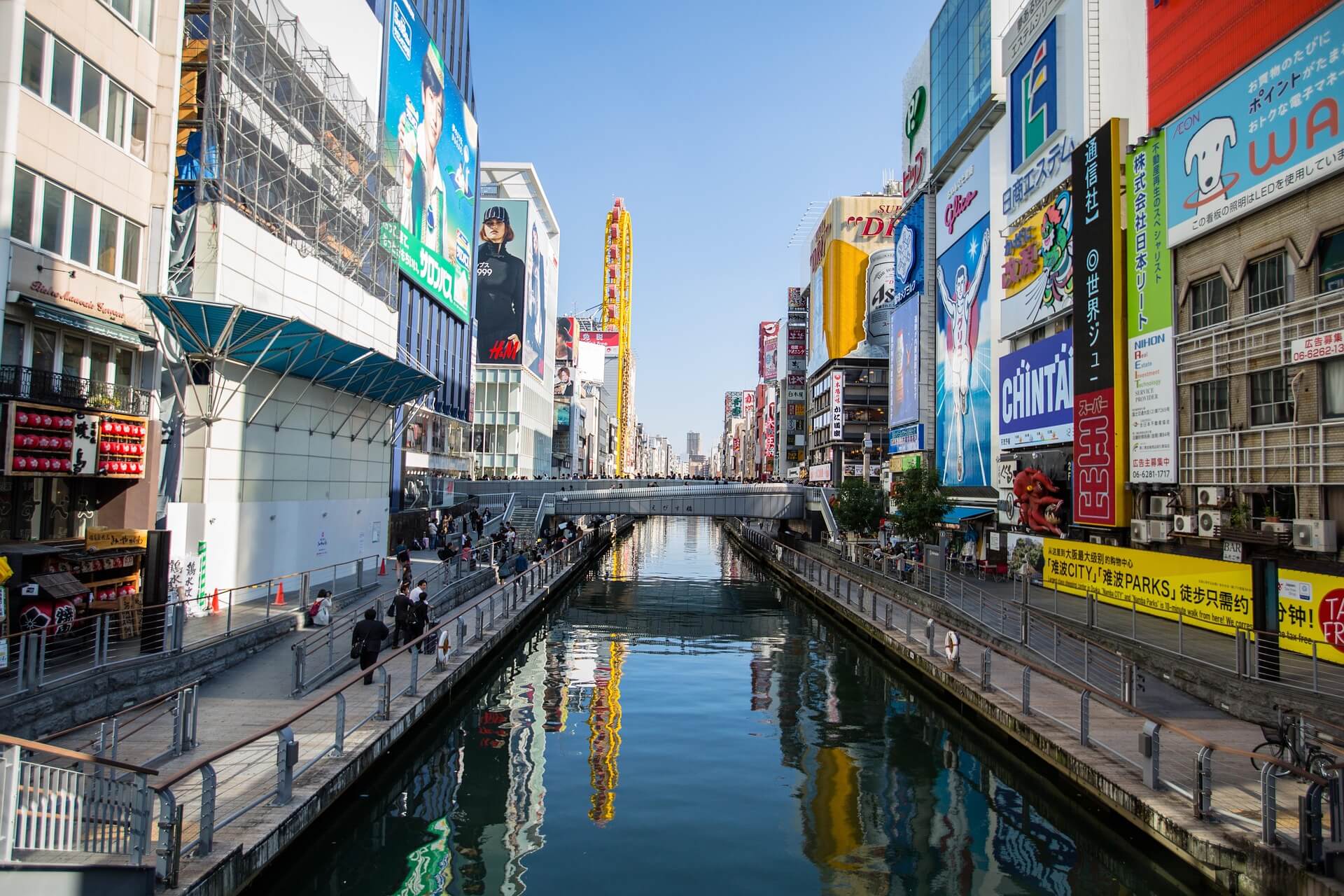
If Osaka Castle represents the city’s history, Dotonbori represents its lively modern personality. Located beside the Dotonbori River in the Namba area, this famous district is filled with illuminated signs, restaurants, shops, street food, and crowds.
The area is especially famous for its enormous food advertisements and colorful atmosphere. Walking along the canal gives you a classic Osaka sightseeing experience, particularly after sunset when the neighborhood becomes brightly illuminated.
Dotonbori is also a great place to sample Osaka specialties. Try local favorites such as takoyaki, okonomiyaki, and kushikatsu while exploring the surrounding streets.
For more ideas on what to eat, you can continue your Osaka food planning with 10 Must-Try Foods in Osaka.
Why visit: The best place to experience Osaka’s energetic food and entertainment culture.
📍 Location: Dotonbori, Namba
⏰ Best time to visit: Late afternoon into evening
💡 Tip: Walk both sides of the river and explore the smaller streets around the main Dotonbori promenade.
🏯 3. Visit Shitennoji Temple
For a quieter look at Osaka’s long religious history, visit Shitennoji Temple in the Tennoji area. Founded by Prince Shotoku in 593, it is recognized as one of Japan’s oldest officially established Buddhist temples.
The temple complex has been rebuilt and restored over the centuries after suffering damage from disasters and war, but its traditional layout continues to reflect its ancient origins. The grounds include the central temple precinct, gardens, halls, and a treasure museum containing important cultural objects.
Shitennoji is a particularly good choice for travelers who want to experience historic Japan without leaving Osaka’s city center.
Why visit: One of Osaka’s most important historic Buddhist temples.
📍 Location: Tennoji
⏰ Best time to visit: Morning
💡 Tip: Allow at least an hour to explore the temple grounds rather than simply stopping for a quick photograph.
🍜 4. Taste Osaka’s Food Culture at Kuromon Market
Often called “Osaka’s Kitchen,” Kuromon Market is one of the city’s best places to explore its food culture. The covered market stretches through the Nippombashi area and is lined with shops selling seafood, meat, fruit, vegetables, prepared foods, and Japanese specialties.
Rather than treating the market as simply a place to buy souvenirs, take your time walking through the stalls and observing the variety of ingredients used in Osaka’s cuisine. Depending on the season, you may find fresh seafood, grilled items, fruit, sushi, and other snacks ready to eat.
Kuromon is especially useful for travelers who want to experience Osaka through food without committing to a formal restaurant meal.
Why visit: An easy way to experience Osaka’s famous food culture in one lively market.
📍 Location: Nippombashi
⏰ Best time to visit: Morning to early afternoon
💡 Tip: Go earlier in the day for the widest selection and avoid buying more food than you can comfortably eat while walking.
🌅 5. See Osaka from the Umeda Sky Building
Head north to Umeda for one of Osaka’s most impressive modern landmarks. The Umeda Sky Building rises above the Kita district, with its Kuchu Teien Observatory connecting the two towers high above the city.
The rooftop observation area offers panoramic views over Osaka from about 173 meters above ground. On a clear day, the enormous urban landscape stretches far into the distance, making this one of the best places to appreciate just how large Osaka really is.
The contrast between Umeda’s modern architecture and historic Osaka Castle makes these two attractions particularly good companions during a trip.
Why visit: One of Osaka’s best panoramic city views.
📍 Location: Umeda, Kita Ward
⏰ Best time to visit: Late afternoon and sunset
💡 Tip: Check the weather before visiting if the view is your main reason for going.
🏙️ 6. Explore Shinsekai and Tsutenkaku
Shinsekai offers a completely different atmosphere from modern Umeda or polished shopping districts. The neighborhood developed in the early 20th century and is centered around the distinctive Tsutenkaku Tower.
The area is known for its retro character, colorful streets, casual restaurants, and local atmosphere. It is also closely associated with kushikatsu, one of Osaka’s best-known foods.
Rather than rushing through Shinsekai to see Tsutenkaku, spend some time walking the surrounding streets. The neighborhood provides a glimpse of a more nostalgic side of Osaka and feels very different from Dotonbori.
Why visit: A retro Osaka neighborhood with distinctive architecture, food, and atmosphere.
📍 Location: Shinsekai, Naniwa Ward
⏰ Best time to visit: Late afternoon
💡 Tip: Combine Shinsekai with nearby Tennoji and Shitennoji to make the most of your day.
🚌 One Day, Three Destinations
Make the most of your day with stops at Nara, the iconic torii gates of Fushimi Inari Taisha, and Arashiyama.
Book Your Trip →🎨 7. Step Into Osaka’s Past at the Osaka Museum of Housing and Living
One of Osaka’s most interesting museums is the Osaka Museum of Housing and Living, where visitors can experience a detailed recreation of an Osaka neighborhood during the late Edo period.
The museum recreates the townscape of Osaka around 1830–1844, including buildings, shops, and homes. It also introduces changes to Osaka’s housing and urban landscape during the Meiji, Taisho, and Showa periods.
One of the most memorable features is the changing atmosphere of the recreated town. Lighting and sound help create the impression of different times of day, making the exhibition feel more immersive than a conventional historical museum.
If you’re interested in Japanese history and everyday life rather than just famous landmarks, this is one of the most rewarding stops in Osaka.
Why visit: A fascinating look at how ordinary people lived in Osaka in earlier eras.
📍 Location: Tenjinbashi, Kita Ward
⏰ Best time to visit: Afternoon
💡 Tip: Combine it with a walk along nearby Tenjinbashisuji Shopping Street.
🌳 8. Relax Around Nakanoshima
For a break from Osaka’s busy streets, head to Nakanoshima, an island between two rivers in the central part of the city. The area combines parks, historic architecture, cultural institutions, and waterfront scenery.
Nakanoshima Park is particularly pleasant for a walk, while nearby buildings such as Osaka City Central Public Hall add an architectural dimension to the area. The official Osaka tourism guide also highlights Nakanoshima as part of several walking and sightseeing routes.
This is a good place to slow down between sightseeing stops. Instead of another crowded shopping street, you can enjoy greenery and views of Osaka’s waterways while still being close to the city center.
Why visit: A peaceful urban escape with parks, rivers, and historic architecture.
📍 Location: Nakanoshima, Kita Ward
⏰ Best time to visit: Morning or late afternoon
💡 Tip: Bring your camera—the combination of water, bridges, and historic buildings makes this one of Osaka’s more photogenic areas.
⛩️ 9. Visit Sumiyoshi Taisha
Sumiyoshi Taisha offers another opportunity to experience traditional Japan away from the busiest tourist districts. It is the head shrine of the approximately 2,300 Sumiyoshi shrines across Japan and has long been associated with safe travel, the sea, and cultural traditions.
The shrine grounds cover a large area and contain hundreds of stone lanterns, ancient trees, traditional buildings, and the famous Sorihashi Bridge. The distinctive Sumiyoshi-style main shrine buildings are designated National Treasures.
The atmosphere is especially different from central Osaka. Instead of skyscrapers and neon signs, visitors encounter a spacious shrine complex where local religious traditions remain part of everyday life.
Why visit: One of Osaka’s most important Shinto shrines and a peaceful cultural experience.
📍 Location: Sumiyoshi Ward
⏰ Best time to visit: Morning
💡 Tip: Give yourself enough time to walk beyond the main entrance and explore the wider shrine grounds.
🛍️ 10. Walk Tenjinbashisuji Shopping Street
Finish your Osaka sightseeing with a walk through Tenjinbashisuji Shopping Street, one of the city’s most enjoyable places to experience everyday shopping and local life.
The covered shopping street stretches through the Tenma and Tenjinbashi area and is filled with small restaurants, food shops, clothing stores, specialty businesses, and everyday Japanese shops. It offers a very different experience from the large commercial complexes around Osaka Station.
You can easily combine the street with the Osaka Museum of Housing and Living, making this an especially useful stop for travelers interested in both Osaka’s history and contemporary local life.
Why visit: A chance to experience Osaka beyond the major tourist attractions.
📍 Location: Tenjinbashi, Kita Ward
⏰ Best time to visit: Late morning or afternoon
💡 Tip: Don’t rush the walk. Step into smaller side streets and local shops rather than staying only on the main shopping arcade.
🗺️ How to Plan Your Osaka Visit
Osaka’s attractions are spread across several different areas, so grouping nearby sights together can save considerable time.
If you only have 1 day in Osaka
Prioritize:
Osaka Castle → Shitennoji → Shinsekai → Dotonbori
This route gives you a good introduction to Osaka’s history, traditional culture, local neighborhoods, and food scene.
For a more detailed schedule, see our 1 Day in Osaka itinerary.
If you have 2–3 days
Add:
Kuromon Market → Umeda Sky Building → Osaka Museum of Housing and Living → Tenjinbashisuji Shopping Street
This gives you more time to explore Osaka’s food culture, modern skyline, museums, and local neighborhoods.
For a complete multi-day route, continue with our 3 Days in Osaka itinerary.
If you have 4+ days
Consider spending additional time around:
Nakanoshima → Sumiyoshi Taisha → Tennoji → additional museums and neighborhoods
You can also use Osaka as a base for exploring other destinations in the Kansai region
📌 Quick Tips for Visiting Osaka
- 🚶 Getting around: Osaka has an extensive public transportation network, making trains and subways the easiest way to move between most major attractions. Plan your sightseeing by neighborhood whenever possible.
- 🎟️ Tickets: Popular attractions can become busy, particularly during holidays and peak travel periods. Check official attraction websites before visiting and reserve ahead when required.
- 🌤️ Best time to visit: Spring and autumn are especially pleasant for sightseeing, while summer can be hot and humid. Winter generally offers cooler conditions and fewer crowds.
- 💰 Budget: Osaka can be visited at different price levels. Street food and casual restaurants make it possible to eat well without spending heavily, while major attractions and observation decks add to the daily cost.
- 👟 What to wear: Comfortable walking shoes are essential. Even with excellent public transportation, sightseeing days can involve substantial walking.
- 📱 Useful tip: Keep your route flexible and group nearby attractions together rather than crossing the city repeatedly.
For current visitor information, transportation guidance, attractions, and travel planning resources, the official Osaka tourism guide is a useful reference.
For food planning, don’t miss my 10 Must-Try Foods in Osaka guide.
📌 Final Thoughts
From the historic grounds of Osaka Castle to the neon streets of Dotonbori, Osaka offers an exciting mix of history, culture, food, architecture, shopping, and local experiences.
The best thing about Osaka is that you don’t have to choose between traditional and modern Japan. Within a single day, you can walk through a centuries-old temple, eat your way through a local market, explore a retro neighborhood, and finish with spectacular views of a modern skyline.
If you’re visiting for the first time, prioritize Osaka Castle, Dotonbori, Shitennoji, Kuromon Market, and Umeda Sky Building. With more time, add the city’s museums, historic neighborhoods, shrines, and quieter waterfront areas.
For more practical planning information, use our Osaka Cheat Sheet, and if you’re interested in the city’s history, read 5 Facts About Osaka before your trip.
These 10 best things to do in Osaka are only a starting point, but together they provide a well-rounded introduction to one of Japan’s most fascinating cities.