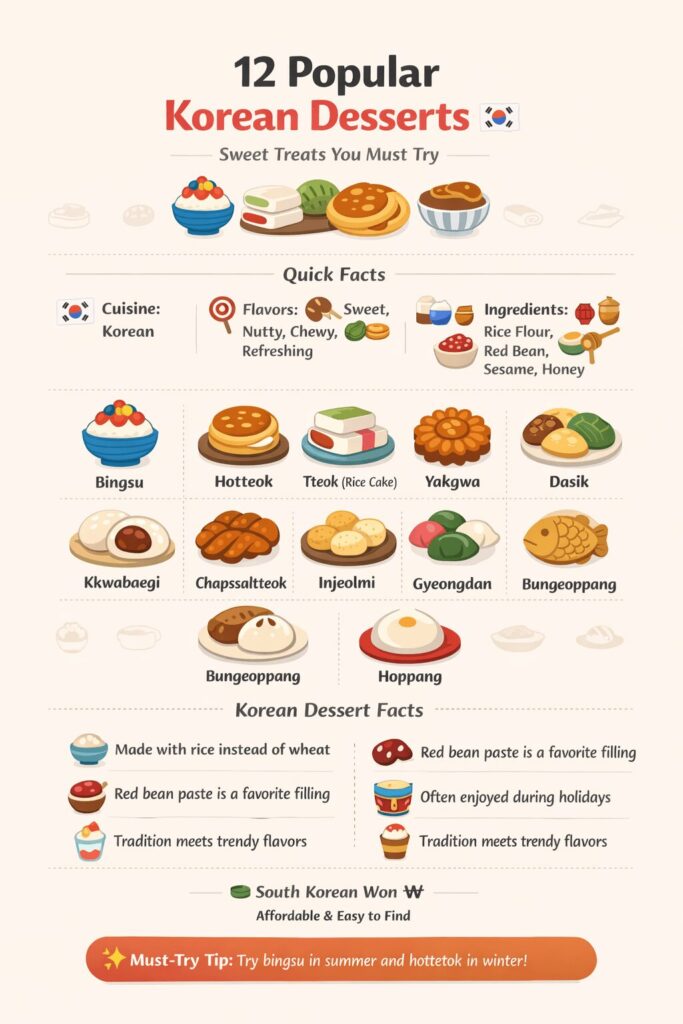
Korean desserts are a perfect blend of tradition, texture, and subtle sweetness. Unlike overly sugary treats, Korean sweets often highlight natural ingredients like rice, red beans, honey, and fruits. Whether you’re exploring street food markets or traditional tea houses, these desserts offer a delicious way to experience Korean culture. Here are 12 popular Korean desserts you shouldn’t miss.
This post may contain affiliate links. I may earn a small commission at no extra cost to you if you make a purchase.
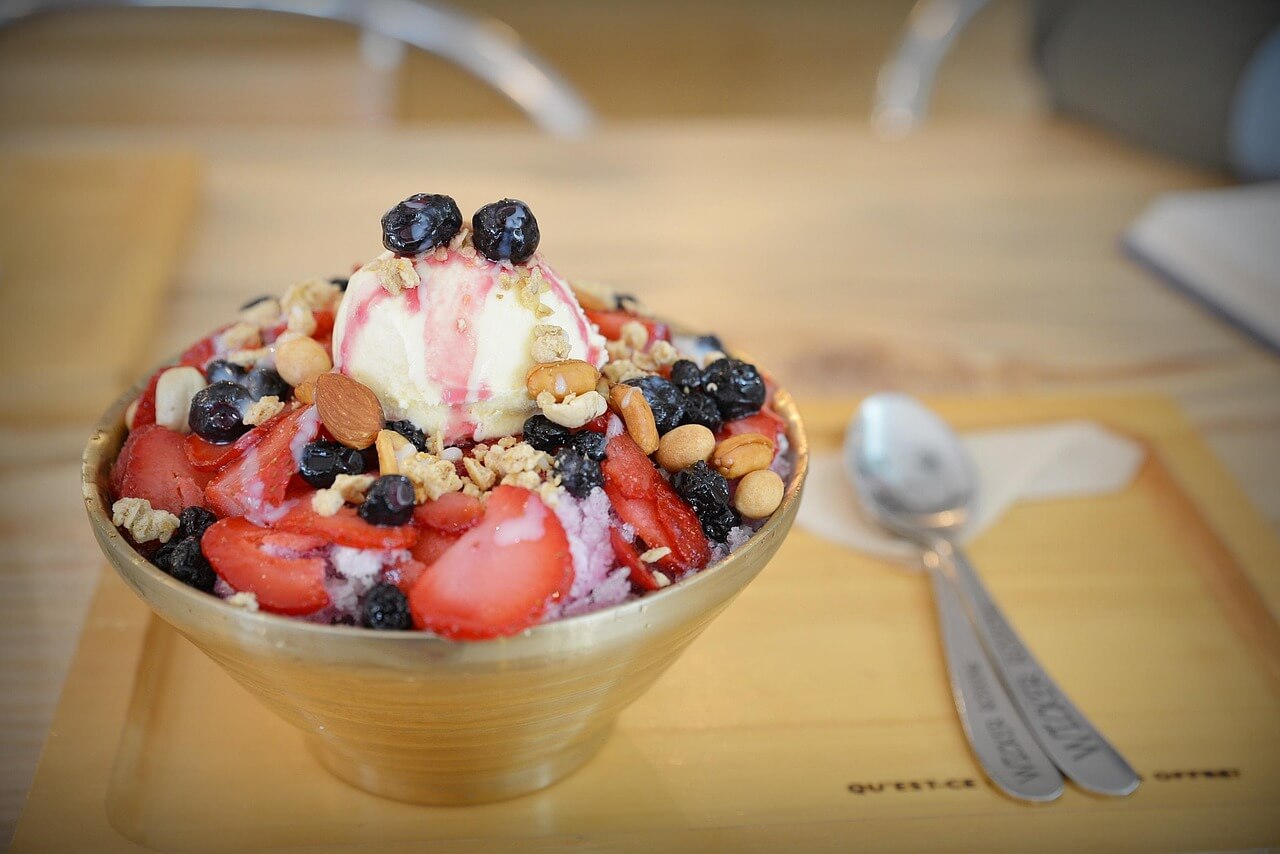
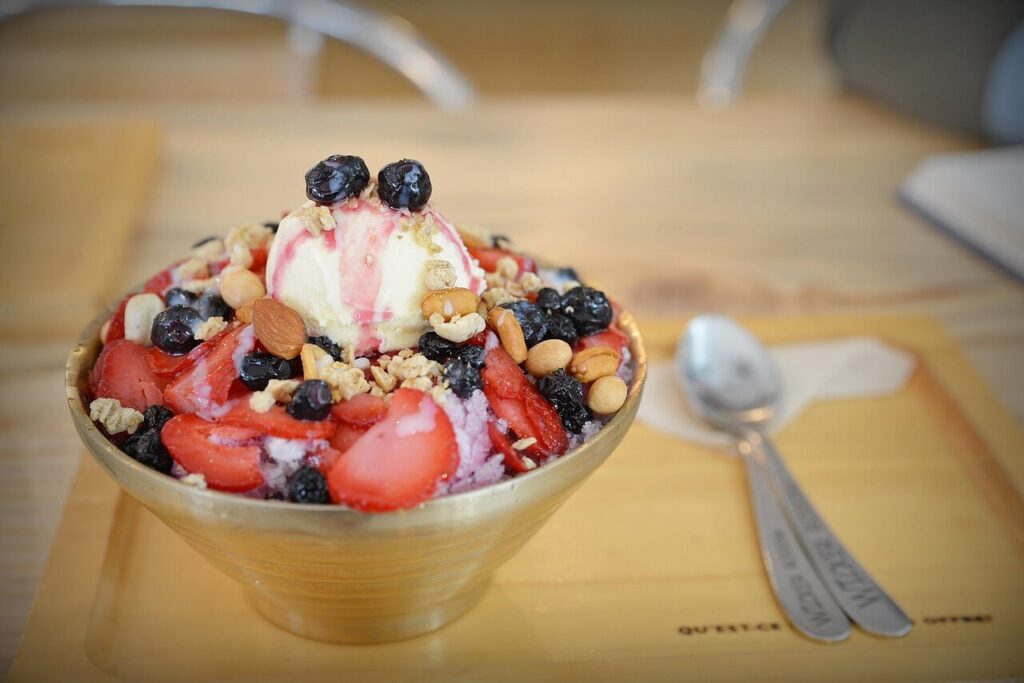
Bingsu is one of Korea’s most iconic desserts, especially during summer. This shaved ice treat is topped with sweet red beans, condensed milk, fruit, mochi, or even cheesecake. Modern variations include matcha, chocolate, and mango flavors. Its fluffy texture and refreshing taste make it a must-try dessert when visiting Korea.
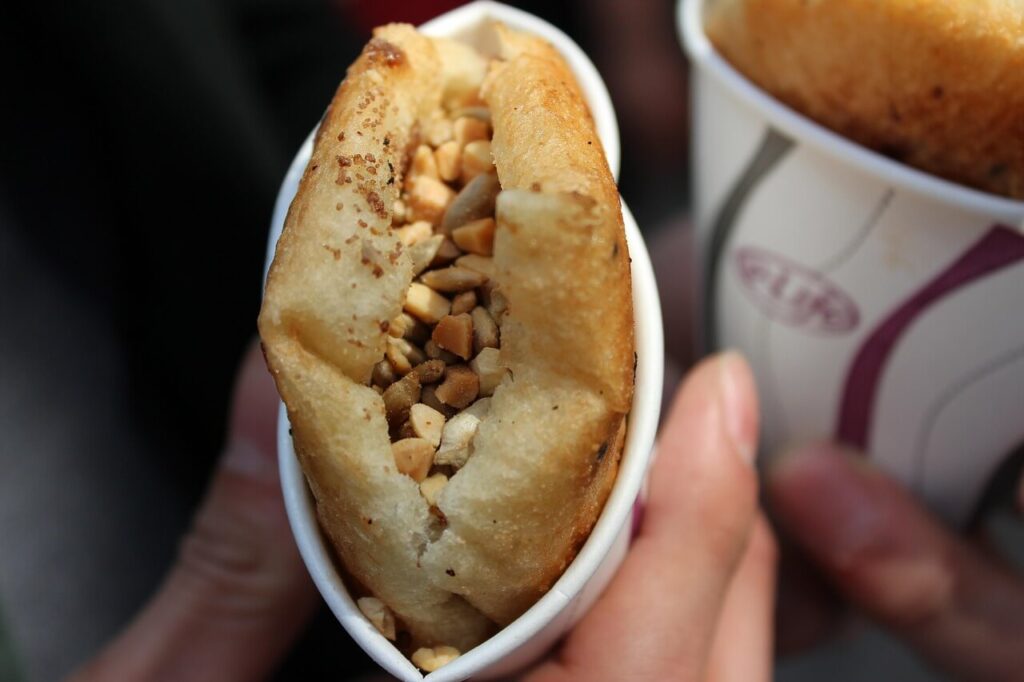
Hotteok is a popular street dessert, especially in winter. These crispy pancakes are filled with a gooey mixture of brown sugar, cinnamon, and crushed nuts. When cooked, the inside melts into a sweet syrup, creating a warm and comforting treat. It’s commonly found in Korean street markets.
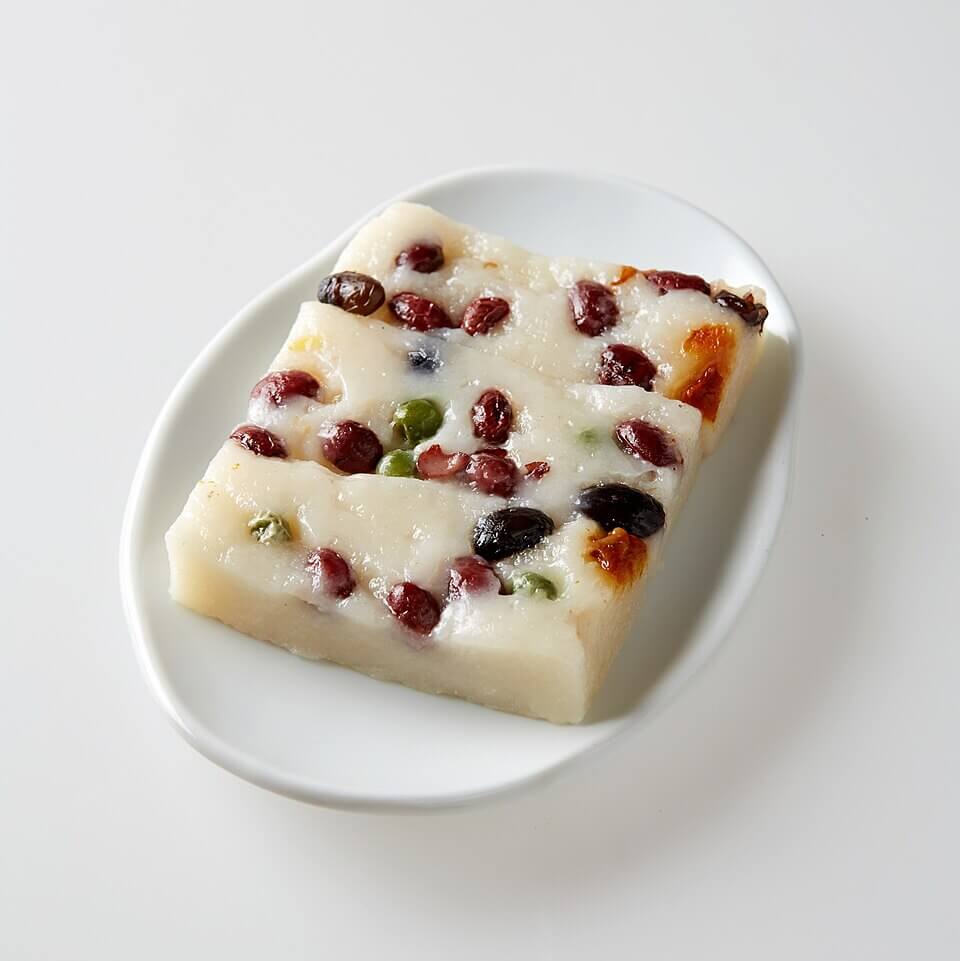
Tteok refers to a wide variety of Korean rice cakes made from glutinous rice flour. They can be steamed, pounded, or shaped into different forms. Some are sweet, filled with red bean paste or coated in soybean powder, while others are savory. Tteok plays an important role in Korean celebrations and holidays.
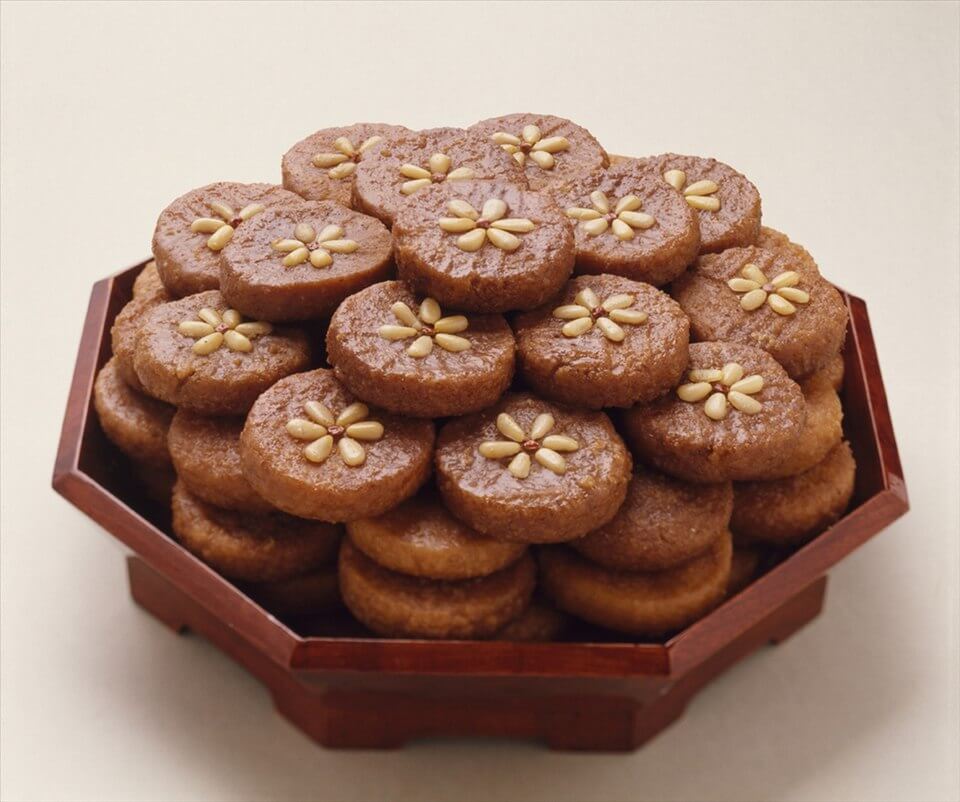
Yakgwa is a traditional Korean cookie made with flour, sesame oil, honey, and ginger. After frying, it’s soaked in a sweet syrup, giving it a soft and chewy texture. Often served during festive occasions, yakgwa has a rich, aromatic flavor that reflects Korea’s royal culinary traditions.
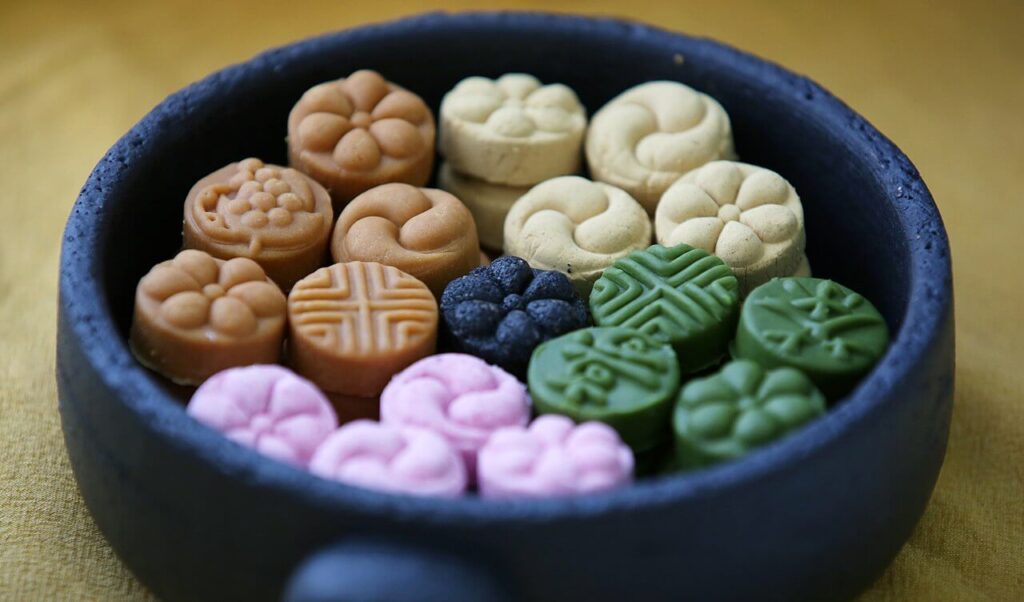
Dasik are delicate, bite-sized cookies traditionally served with Korean tea. Made from ingredients like sesame seeds, chestnuts, or green tea powder, they are pressed into decorative molds. These cookies are lightly sweet and beautifully designed, making them a staple in traditional tea ceremonies.
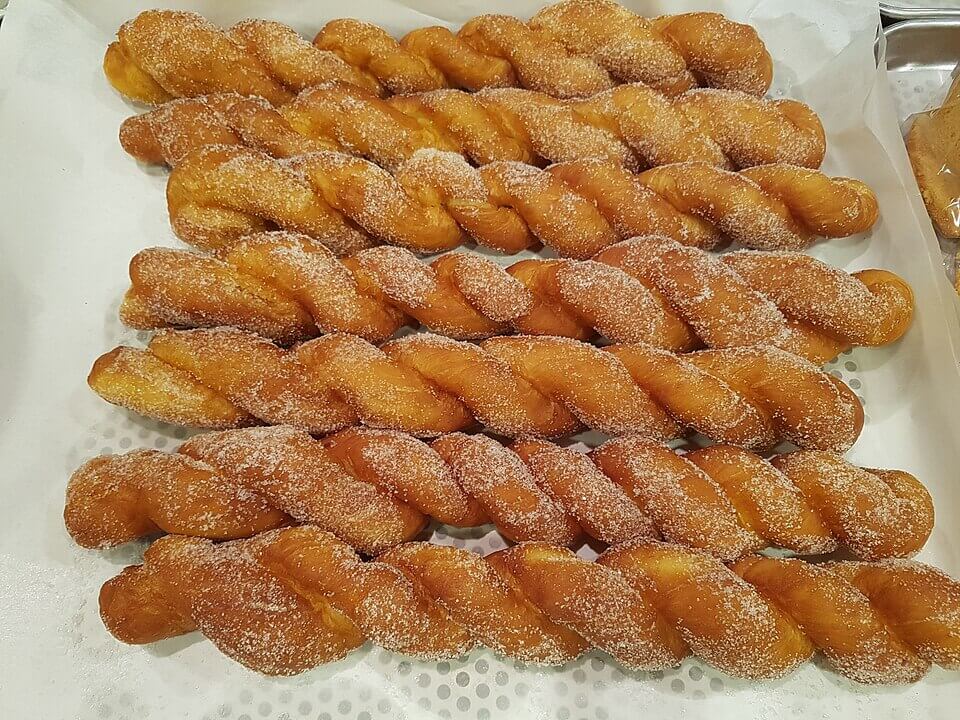
Kkwabaegi are fluffy, twisted donuts coated in sugar. They are soft on the inside and slightly crispy on the outside. Often sold at bakeries and street stalls, these donuts are simple yet satisfying. Their light sweetness makes them a favorite snack for all ages.
Chapssaltteok is a chewy rice cake filled with sweet red bean paste or cream. Similar to Japanese mochi, it has a soft and stretchy texture. It’s often enjoyed as a snack or dessert and is commonly found in bakeries and traditional markets.
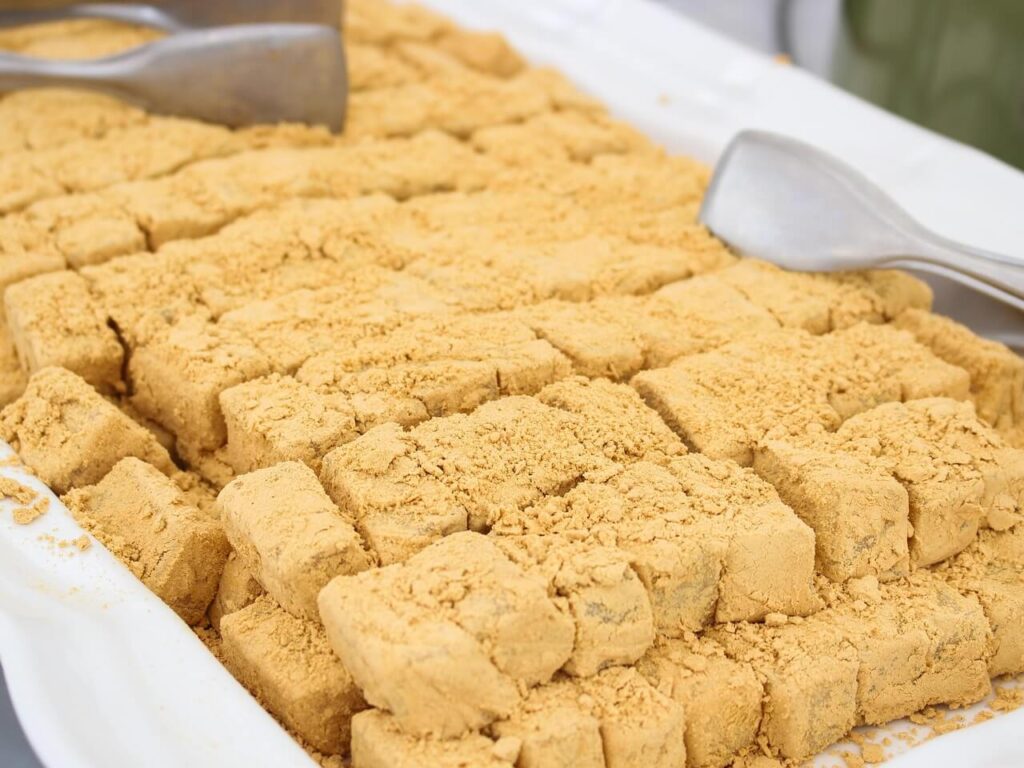
Injeolmi is a soft rice cake coated in roasted soybean powder. It has a nutty flavor and chewy texture that makes it unique among Korean desserts. This traditional treat is simple yet deeply satisfying and is often enjoyed with tea.
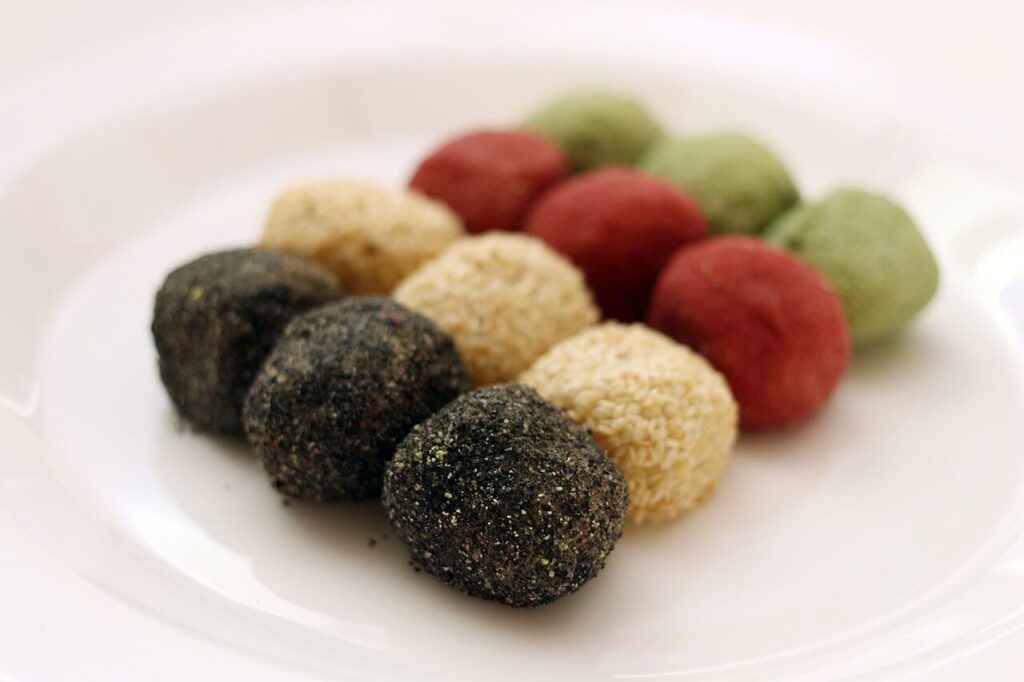
Gyeongdan are small, colorful rice cake balls coated with various toppings such as sesame seeds, coconut flakes, or red bean powder. They are slightly chewy and mildly sweet, often served during celebrations or special occasions.
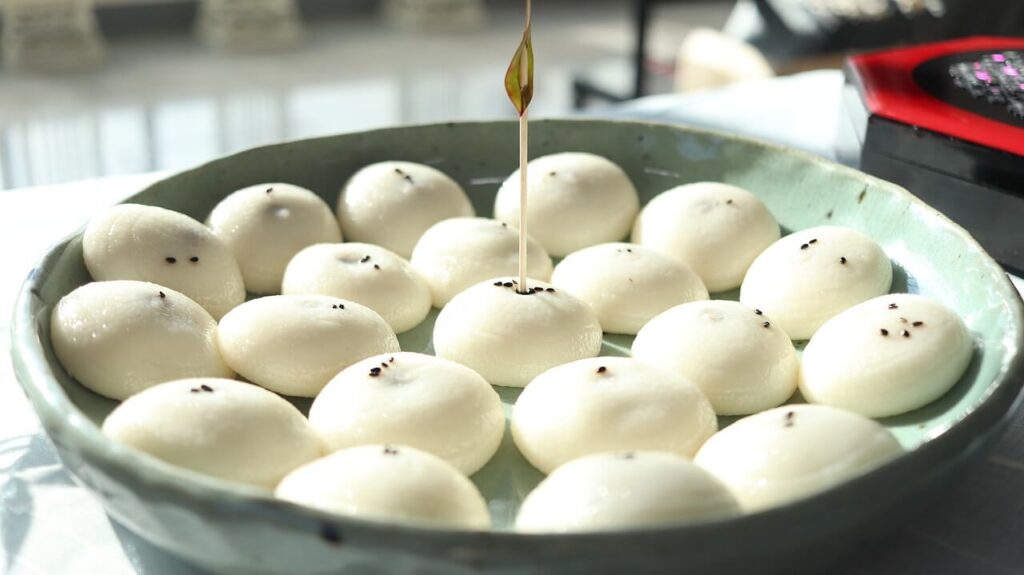
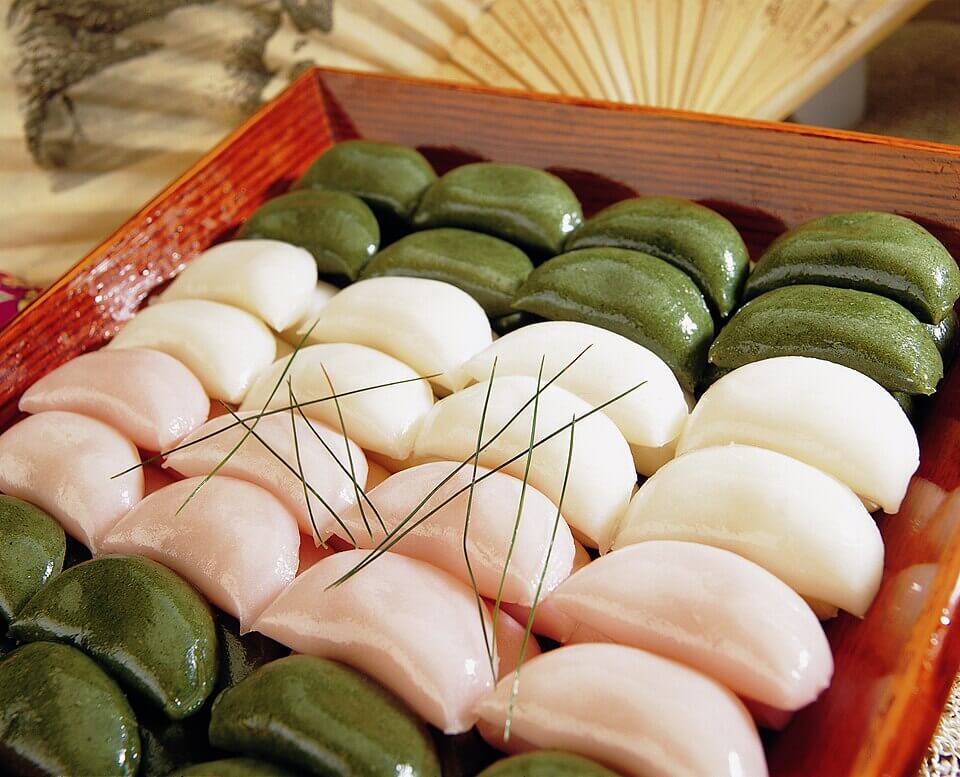
Songpyeon is a traditional dessert eaten during Chuseok (Korean harvest festival). These half-moon-shaped rice cakes are filled with sweet sesame, red bean, or chestnut paste. They are steamed over pine needles, giving them a subtle, fragrant aroma.
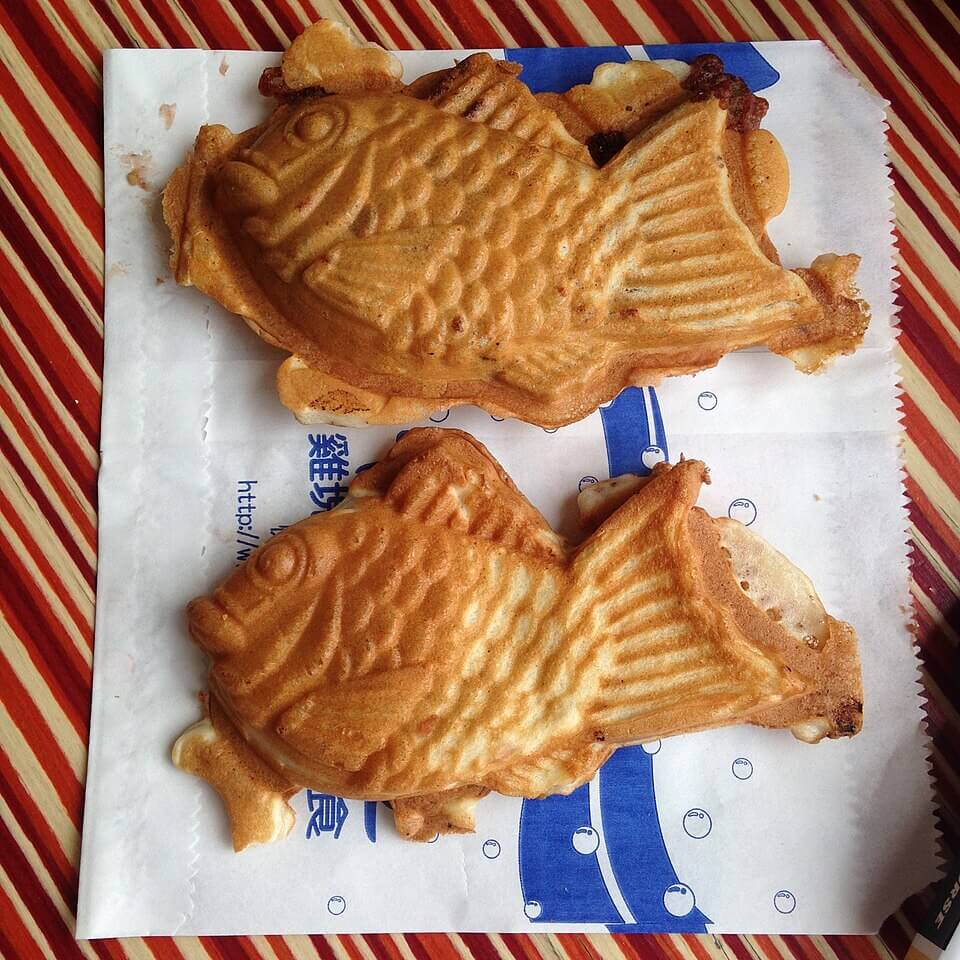
Bungeoppang is a fish-shaped pastry filled with sweet red bean paste or custard. Crispy on the outside and soft inside, it’s a popular winter street snack. Despite its fish shape, it contains no seafood—just delicious sweetness!
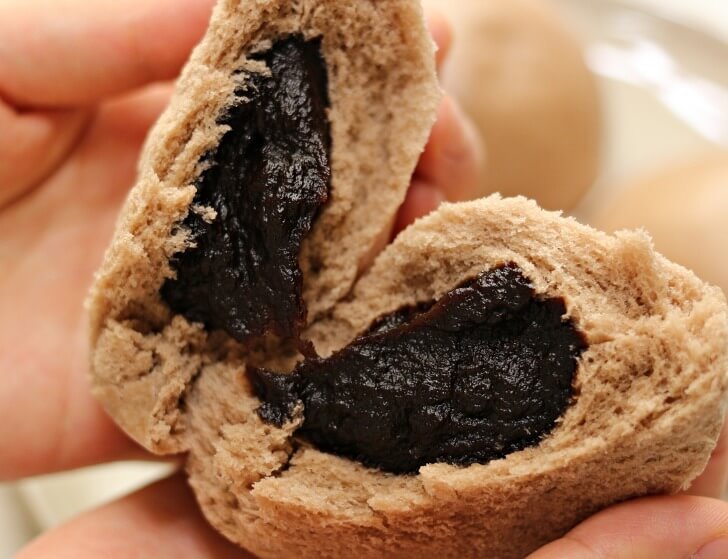
Hoppang is a warm, steamed bun filled with sweet red bean paste, chocolate, or custard. It’s especially popular during colder months. Soft, fluffy, and comforting, hoppang is a classic Korean winter treat often found in convenience stores.
Korean breakfast is all about balance—warm soups, rice, and flavorful side dishes that provide comfort and nutrition. Whether you prefer something light like juk or hearty like kimchi fried rice, these dishes offer a delicious start to your day.