French Christmas desserts are known for their festive flavors, rich traditions, and elegant presentation. From chocolate-filled treats and spiced breads to delicate pastries enjoyed during Le Réveillon, these sweets play an important role in holiday celebrations across France.
Whether shared with family or served at festive gatherings, each dessert reflects regional customs and centuries-old traditions. In this list, we highlight ten of the best French Christmas desserts that capture the warmth, joy, and indulgence of the holiday season.
Ready to try French Christmas Desserts!
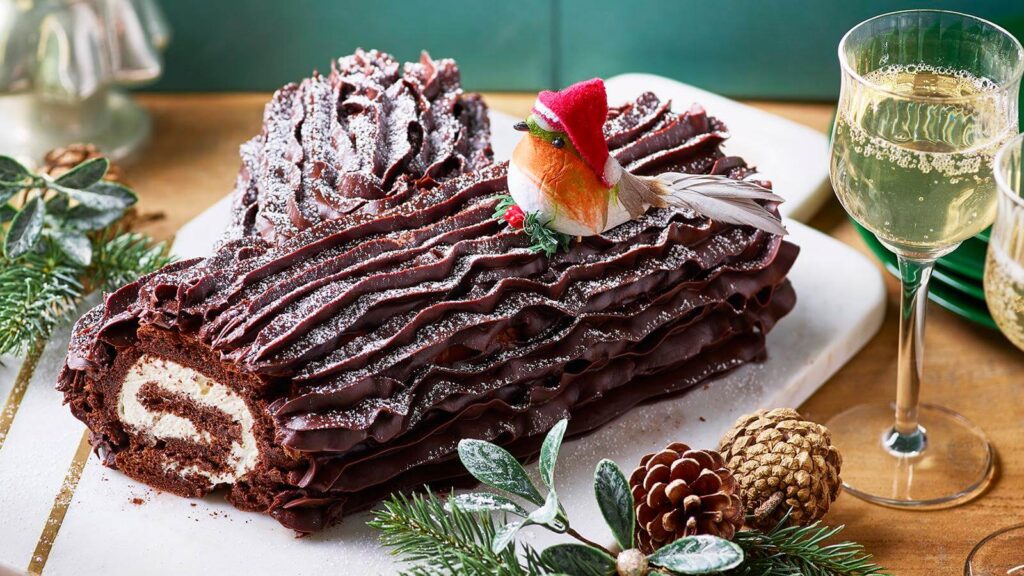
Bûche de Noël
From BCC.co.uk
Bûche de Noëlis a traditional French Christmas cake shaped like a Yule log. It is typically made from rolled sponge cake filled with buttercream or ganache, most often chocolate.
The dessert symbolizes the old custom of burning a log for good luck during winter. Today, it is the centerpiece of French Christmas celebrations, decorated to resemble bark, snow, or forest elements.
5 Cool Facts
Founded around the 1870s
Name meaning: Bûche” means log and “Noël” means Christmas
Traditional flavors: Chocolate is classic, but coffee, chestnut, praline, and vanilla are also popular
Decoration style: It’s usually decorated to look like bark, with powdered sugar “snow,” meringue mushrooms, or holly leaves.
Modern versions: Today you’ll find mousse, ice cream, or even vegan bûches.
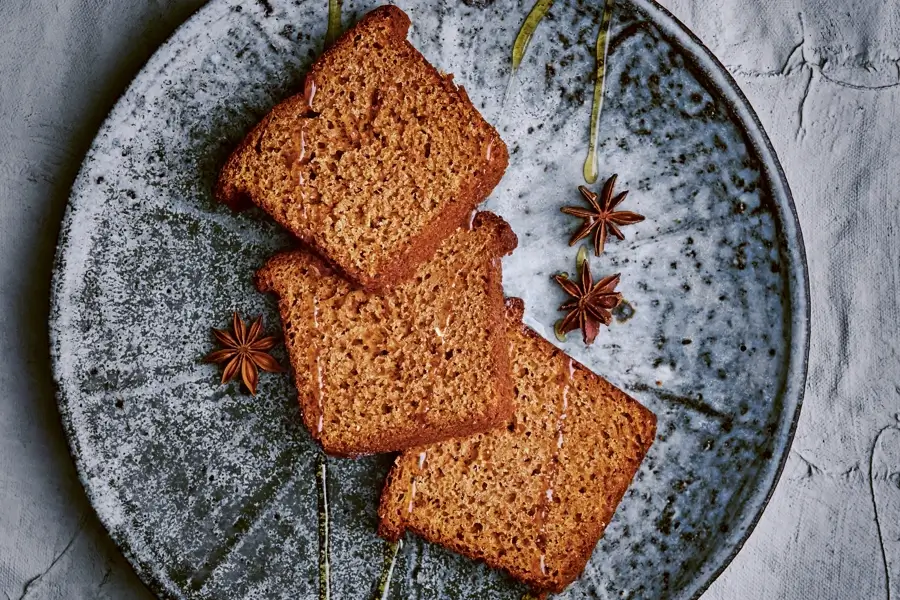
Pain d’Épices
From greatbritishchefs.com
Pain d’Épices is a traditional French spiced bread made with honey, flour, and warm spices such as cinnamon, ginger, and cloves. It is especially associated with the Alsace and Burgundy regions.
Often enjoyed during the Christmas season, pain d’épices can be served plain, with butter, or alongside cheese. Its rich aroma and long shelf life make it a popular festive treat.
5 Cool Facts
Founded around 12th century
Name meaning: “Pain:” – bread and “Épices” – spices
Traditional flavors: honey with warm spices such as cinnamon, ginger, cloves, nutmeg, and anise
Decoration style: typically simple, often served plain or lightly dusted with powdered sugar, and sometimes garnished with nuts or citrus zest
Modern versions: may include chocolate, orange, or nut variations, and are sometimes baked as cakes, cookies, or individually portioned loaves
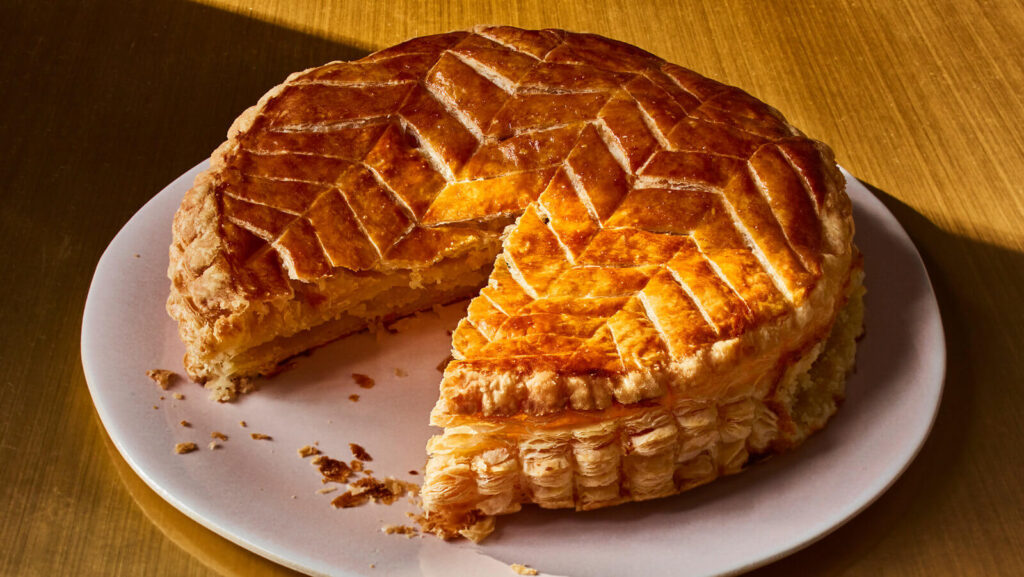
Galette des Rois
From cooking.nytimes.com
Galette des Rois is a traditional French pastry associated with the Epiphany, celebrated in early January. It is made from flaky puff pastry filled with almond frangipane.
A small figurine called a fève is hidden inside the cake. The person who finds it is crowned king or queen for the day, making the galette a fun and festive tradition.
5 Cool Facts
Founded: dates back to Roman times, around the 1st century BCE, linked to the festival of Saturnalia.
Name meaning: “Galette” – flat cake or pastry and “des Rois” – of the kings
Traditional flavors: almond frangipane filling inside flaky puff pastry
Decoration style: golden puff pastry, often scored with decorative patterns and sometimes topped with a paper crown
Modern versions: fillings may include chocolate, apple, pistachio, chestnut, or fruit, with regional variations across France
Christmas Macarons
From biscuiteers.com/
Christmas macaronsare festive versions of the classic French almond meringue cookies, filled with flavored ganache, buttercream, or jam. During the holidays, they often feature seasonal flavors like chocolate, chestnut, orange, or spices.
These colorful treats are popular in French pâtisseries during December and are often decorated in holiday colors. Christmas macarons are enjoyed as desserts, gifts, or part of festive sweet platters.
3 Cool Facts
Traditional flavors: almond shell with simple fillings such as vanilla, chocolate, or coffe
Decoration style: smooth, colorful shells often paired in festive holiday colors.
Modern versions: seasonal flavors like chestnut, orange, gingerbread, or chocolate, with decorative designs and themed gift boxes for Christmas
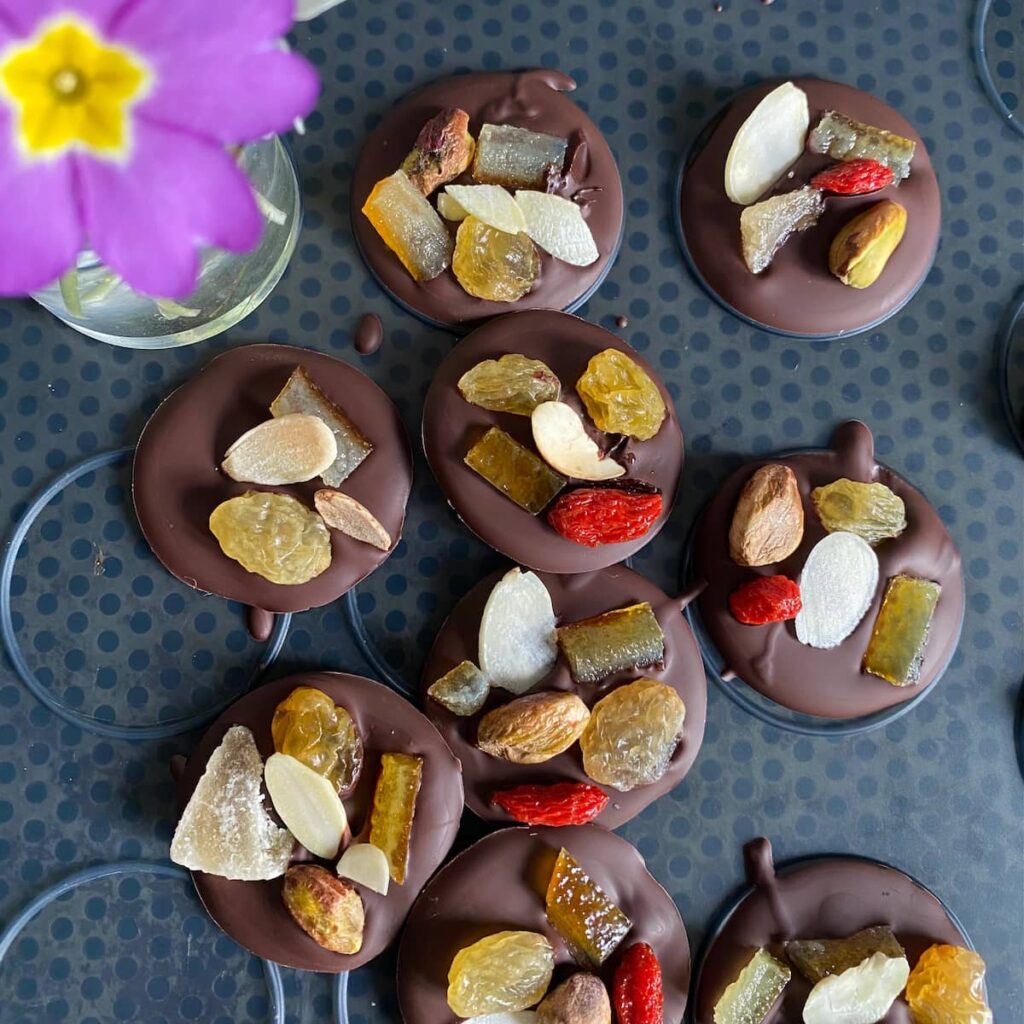
Mendiants
From madaboutmacarons.com
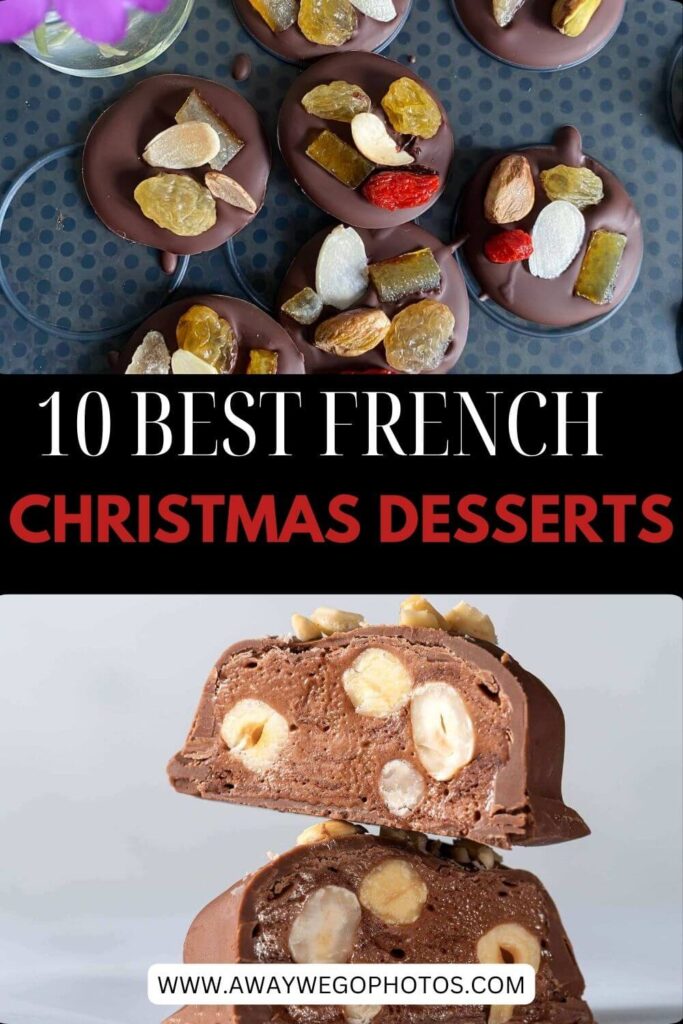
Mendiantsare traditional French chocolate confections made from small discs of dark, milk, or white chocolate topped with nuts and dried fruits. The toppings often include almonds, raisins, hazelnuts, and pistachios.
The name “mendiants” refers to the colors of monastic robes, symbolized by the toppings. Popular during Christmas, they are simple, festive treats commonly found in French bakeries and holiday markets.
5 Cool Facts
Founded: around the 12th–13th century
Name meaning: beggars
Traditional flavors: dark chocolate topped with almonds, raisins, hazelnuts, and pistachios
Decoration style: small chocolate discs decorated with nuts and dried fruits arranged on top
Modern versions: milk or white chocolate bases, creative toppings, and seasonal or gourmet flavor combinations
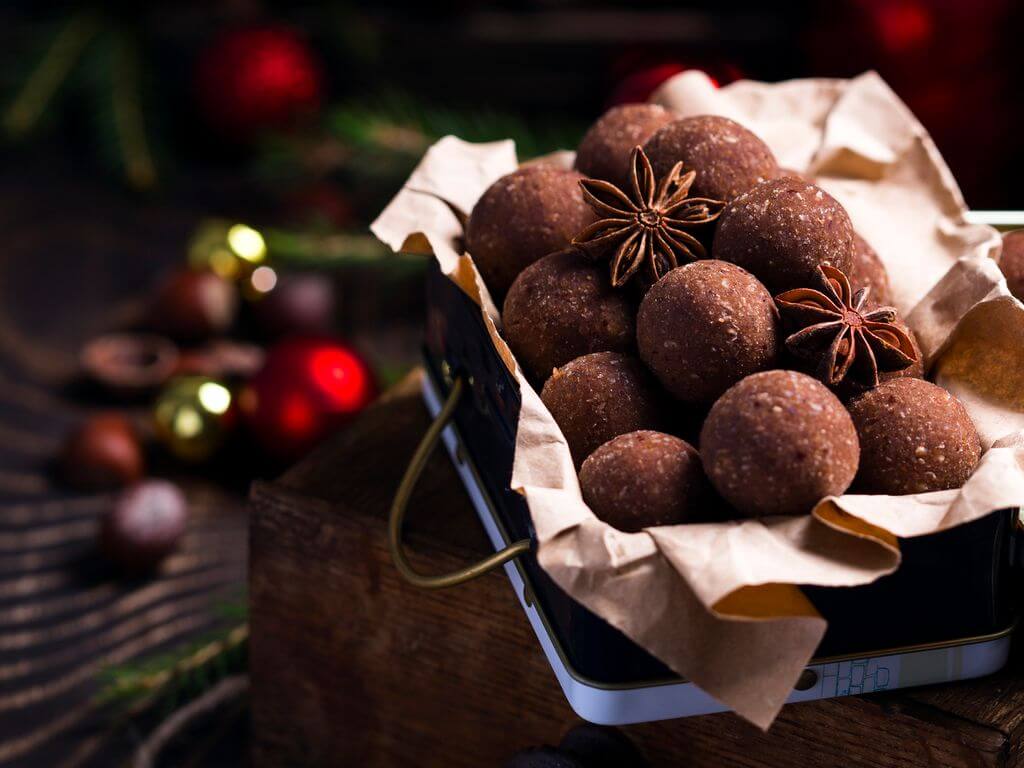
Truffes au Chocolat
From marmiton.org/recettes/
Truffes au chocolat are traditional French chocolate treats made from a rich ganache of chocolate and cream, often rolled in cocoa powder. They are named after truffles due to their round shape and rustic appearance.
These chocolate truffles are especially popular during Christmas and holidays in France. Simple yet indulgent, they may include flavors like vanilla, liqueur, or orange zest for variety.
5 Cool Facts
Founded: 1895 in France
Name meaning: “chocolate truffles”
Traditional flavors: rich dark chocolate ganache made with chocolate and cream
Decoration style: hand-rolled balls dusted with cocoa powder or chocolate shavings
Modern versions: flavored with liqueur, vanilla, coffee, spices, or fruit, and sometimes coated in nuts or melted chocolate
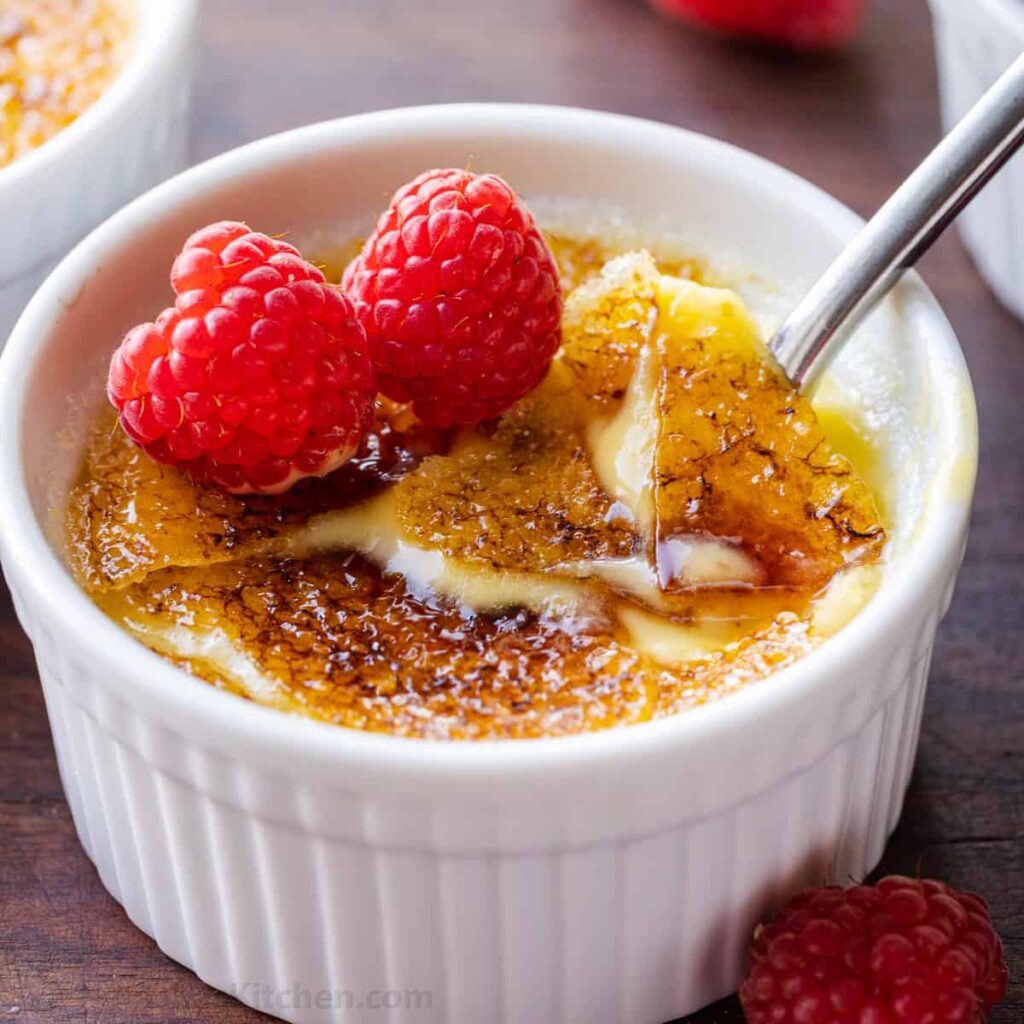
Crème Brûlée
From natashaskitchen.com/
Crème brûlée is a classic French dessert made with a rich vanilla custard base topped with a thin layer of caramelized sugar. Its name means “burnt cream,” referring to the crisp sugar crust created using a torch or broiler.
The contrast between the creamy custard and the crunchy caramel top makes it especially popular. It is commonly served chilled in shallow ramekins and enjoyed year-round, including during festive holiday meals.
5 Cool Facts
Founded: 1691 by François Massialot
Name meaning: “Crème” – cream and “Brûlée” – burnt
Traditional flavors: vanilla custard with caramelized sugar topping
Decoration style: smooth custard topped with a thin, glassy layer of burnt sugar
Modern versions: infused with flavors like coffee, chocolate, citrus, lavender, or served with fruit garnishes
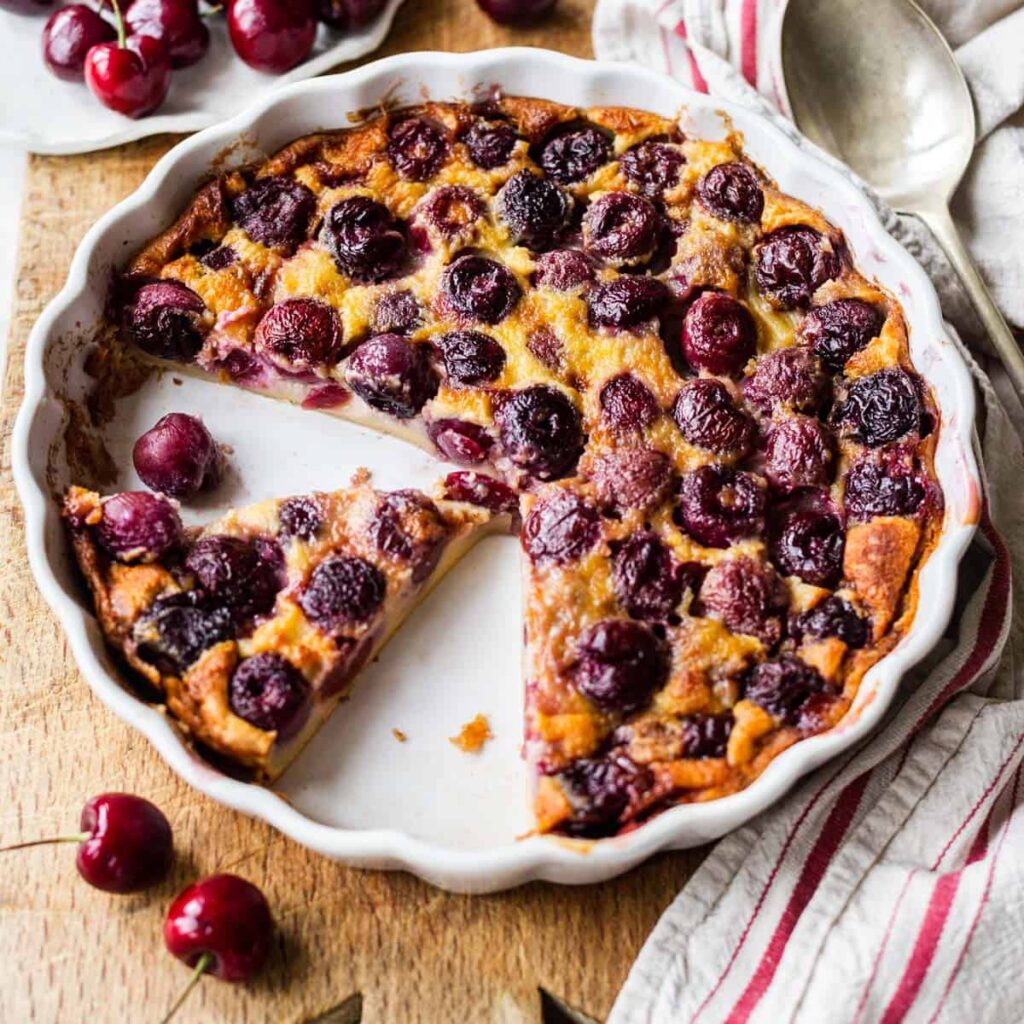
Clafoutis
From emmaduckworthbakes.com/
Clafoutisis a traditional French dessert originating from the Limousin region. It is a baked custard-style dish made with a batter similar to crêpes and is most commonly prepared with cherries.
The dessert is baked until lightly set and dusted with powdered sugar before serving. While cherries are traditional, modern variations include apples, pears, berries, or apricots, making clafoutis a versatile and popular French sweet.
5 Cool Facts
Founded: in the 19th century, in the Limousin region of France
Name meaning: Clafoutis comes from the Occitan word “clafir,” which means “to fill.”
Traditional flavors: cherries baked in a lightly sweetened, vanilla-scented custard batter
Decoration style: served simply, often dusted with powdered sugar
Modern versions: made with fruits like apples, pears, berries, apricots, or plums, sometimes with added spices or liqueur
Nougat
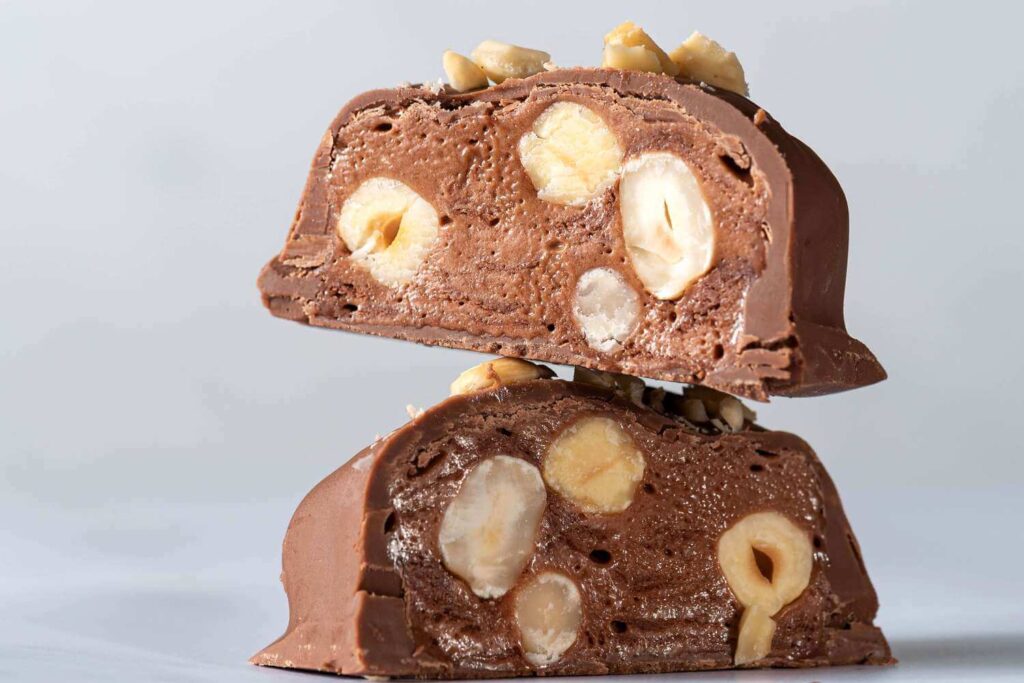
Nougatis a traditional French confection made from honey, sugar, egg whites, and toasted nuts, most commonly almonds or pistachios. It is especially associated with southern France, where it has been enjoyed for centuries as a festive treat.
In Provence, nougat is a key part of Christmas celebrations and is famously included in Les 13 Desserts de Provence. Two main varieties are popular: white nougat, which is soft and chewy, and black nougat, which is darker, firmer, and made with caramelized honey.
5 Cool Facts
Founded: Mediterranean around the Roman era (circa 1st century CE)
Name meaning: nougat comes from the Occitan word “nogat,” meaning “nut cake” or “nut bread.”
Traditional flavors: honey, sugar, egg whites, and nuts—usually almonds or pistachios
Decoration style: cut into rectangular or oval bars, often plain or lightly dusted with powdered sugar
Modern versions: include chocolate-coated nougat, flavored with fruit, coffee, or spices, and shaped into bite-sized pieces or festive designs
Les 13 Desserts de Provence
From en.wikipedia.org/wiki
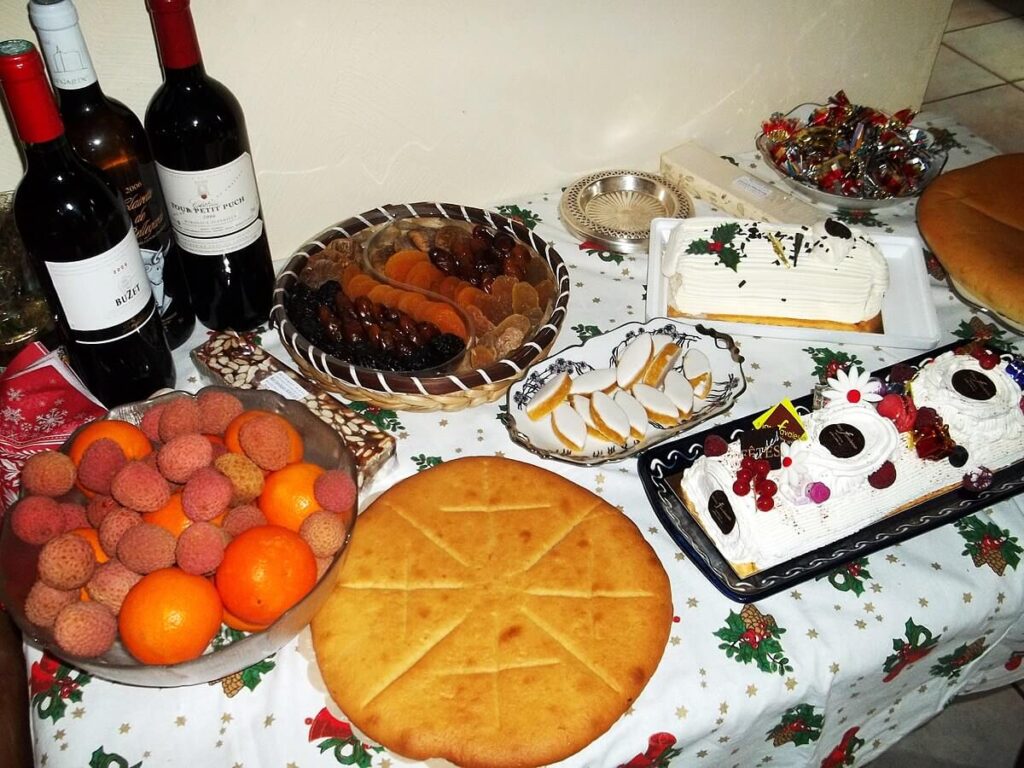
Les 13 Desserts de Provence is a traditional Christmas custom from southern France, served after the Christmas Eve dinner known as Le Réveillon. The thirteen desserts represent Jesus Christ and the twelve apostles and symbolize abundance, faith, and togetherness during the holiday season.
The assortment typically includes dried fruits, nuts, dates, fig-based sweets, and white and black nougat. Traditionally, the desserts remain on the table for three days, allowing family and guests to enjoy them throughout the Christmas celebrations.
5 Cool Facts
Founded: dates back to the 18th century, though some sources suggest the tradition may have older roots in local Catholic Christmas customs
Name meaning: “The 13 Desserts of Provence”
Traditional flavors: dried fruits, nuts, figs, dates, almonds, nougat, and seasonal sweets reflecting the region’s harvest
Decoration style: served together on a large platter or table after Christmas Eve dinner, often left out for three days
Modern versions: may include chocolate, praline, or gourmet variations, while maintaining the symbolic number of thirteen desserts