Dutch Christmas desserts are a delightful mix of cozy winter flavors, festive spices, and long-standing traditions that bring warmth to the holiday season. Many of these treats are closely tied to Sinterklaas and Christmas celebrations, enjoyed at family gatherings, holiday markets, and festive winter evenings. From spiced cookies baked for centuries to rich pastries filled with almonds, these desserts reflect the Netherlands’ love for simple yet comforting sweets.
Ingredients like cinnamon, anise, cloves, almonds, apples, eggs, and powdered sugar appear again and again, creating desserts that feel both nostalgic and celebratory. Some treats are crisp and crunchy, others soft and creamy, but all are deeply rooted in tradition. In this list of the 10 best Dutch Christmas desserts, you’ll discover beloved classics that continue to be enjoyed across the Netherlands during the holiday season.
Ready to try Dutch Christmas Desserts!
Oliebollen
From allrecipes.com
Oliebollenare traditional Dutch festive doughnuts with origins dating back to the Middle Ages, with written references appearing as early as the 15th century. They are most commonly enjoyed on New Year’s Eve in the Netherlands and Belgium, symbolizing good fortune for the year ahead.
The name “Oliebollen” comes from Dutch, with olie meaning oil and bollen meaning balls, referring to the way the dough is shaped into balls and deep-fried in hot oil. The name clearly reflects both their form and cooking method.
Traditional oliebollen are made from a yeast-based dough containing raisins, currants, and sometimes chopped apples or citrus zest. Once fried, they are crisp on the outside and soft and airy on the inside.
The decoration style is simple and classic. Oliebollen are served warm and generously dusted with powdered sugar, without icing or elaborate toppings, keeping the focus on their rich, comforting flavor.
Appelbeignets
From cakieshq.com
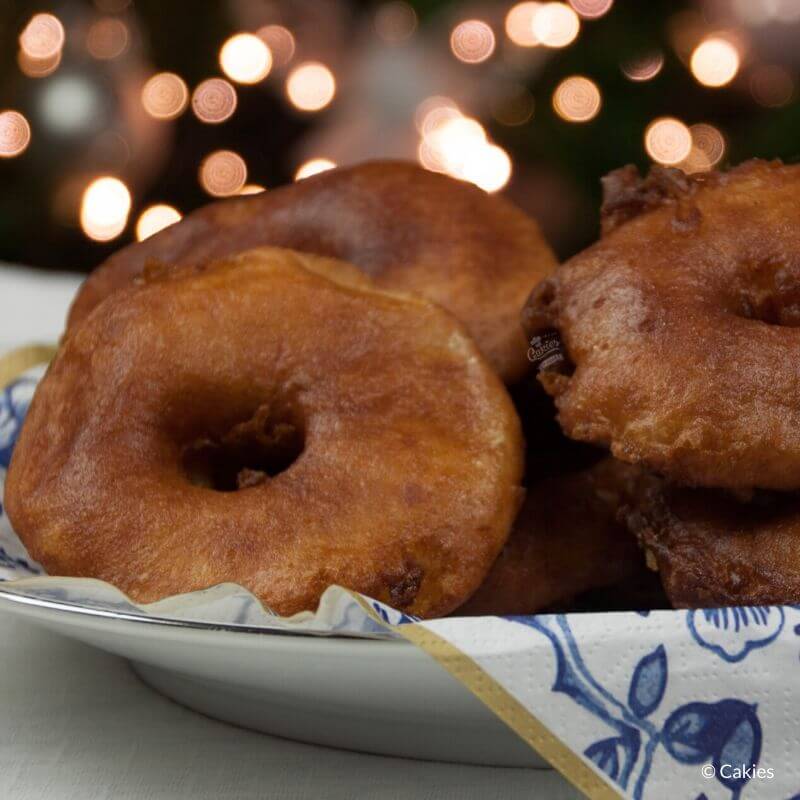
Appelbeignetsare a traditional Dutch festive dessert that has been enjoyed since at least the 19th century, particularly during New Year’s celebrations in the Netherlands. They are closely related to oliebollen and are commonly served together as part of winter holiday traditions.
The name “Appelbeignets” comes from Dutch and French influences, with appel meaning apple and beignet meaning fritter. The name directly describes the dessert: slices of apple coated in batter and fried until golden.
Traditional appelbeignets are made using tart apples such as Granny Smith, dipped in a light batter flavored with cinnamon or vanilla, and deep-fried until crisp on the outside and tender inside. Some recipes include a splash of rum or lemon zest for extra flavor.
The decoration style is simple and classic. Appelbeignets are typically served warm and dusted with powdered sugar, sometimes accompanied by cinnamon sugar, highlighting their comforting, homemade appeal.
Kerststol
From tasteatlas.com
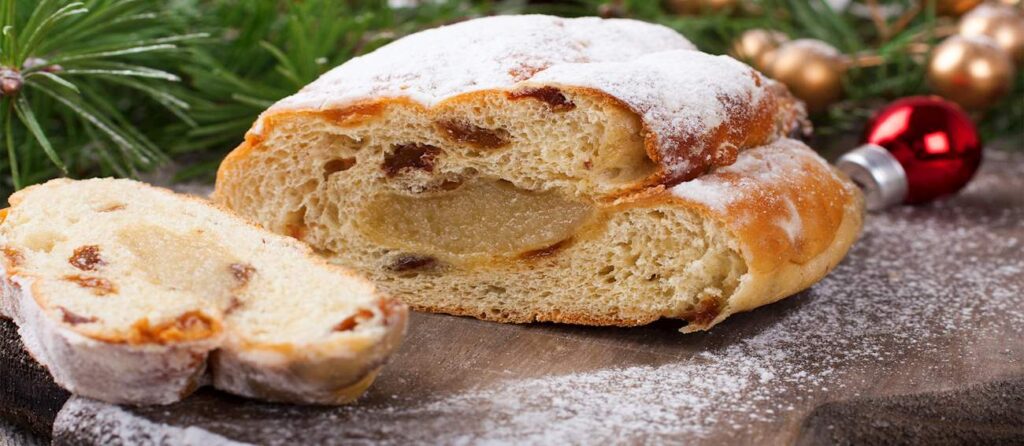
Kerststolis a traditional Dutch Christmas bread with roots dating back to the Middle Ages, becoming widely popular in the 17th century as Christmas celebrations grew more elaborate in the Netherlands. It is closely related to German Stollen and remains a staple during the holiday season.
The name “Kerststol” comes from Dutch, with Kerst meaning Christmas and stol referring to a loaf or festive bread. The name reflects both its seasonal significance and its connection to older European fruit breads.
Traditional Kerststol is made from a rich yeast dough filled with raisins, currants, and candied citrus peel, and most importantly, a generous center of almond paste (amandelspijs). The bread is lightly sweet, buttery, and aromatic.
The decoration style is simple and classic. After baking, Kerststol is dusted with powdered sugar, giving it a snowy appearance. It is typically sliced and served during Christmas breakfast or alongside coffee and tea.
Speculaas
From allrecipes.com
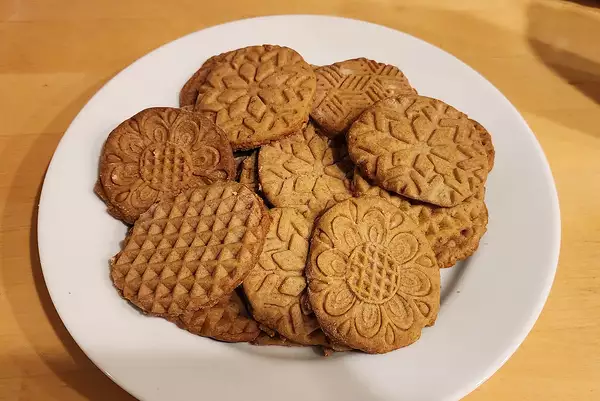
Speculaasis a traditional Dutch spiced cookie with origins dating back to the 17th century, closely linked to Sinterklaas celebrations in the Netherlands and Belgium. It became especially popular during the winter months when spices from overseas trade were more widely available.
The name “Speculaas” is believed to come from the Latin speculum, meaning mirror, referring to the detailed images created by pressing the dough into carved wooden molds. Another interpretation connects it to speculator, meaning observer, associated with St. Nicholas.
Traditional speculaas is made from a crisp dough flavored with a warm spice blend including cinnamon, cloves, nutmeg, ginger, cardamom, and white pepper. Brown sugar gives the cookies their deep color and caramel-like flavor, and almonds are sometimes added.
Decoration is a defining feature of speculaas. The dough is pressed into ornate wooden molds depicting festive figures or patterns. After baking, the cookies are usually left plain, allowing the detailed designs to stand out.
Taaitaai
From tasteatlas.com
Taaitaaiis a traditional Dutch festive cookie with a long history dating back to the Middle Ages, with records appearing as early as the 16th century. It is closely associated with Sinterklaas celebrations in the Netherlands and is especially popular during the winter season.
The name “Taaitaai” comes from the Dutch word taai, meaning tough or chewy, which describes the cookie’s dense, slightly chewy texture. The repeated form of the word emphasizes this characteristic consistency.
Traditional taaitaai is made from a firm dough flavored with anise seed or aniseed, along with honey or sugar, flour, and sometimes spices similar to speculaas. Unlike many crisp cookies, taaitaai has a more bread-like, chewy bite.
Decoration plays an important role in taaitaai. The dough is often shaped or pressed into festive forms, such as Sinterklaas figures, hearts, or animals, using molds. The cookies are usually left plain after baking, highlighting their traditional shapes and rustic appearance.
Banketstaaf
From cakieshq.com
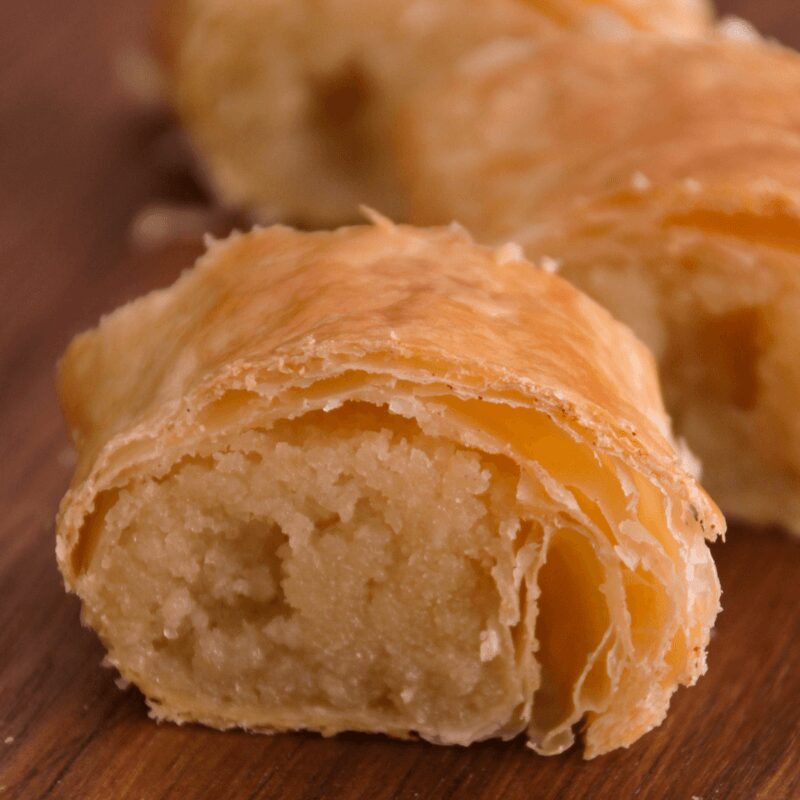
Banketstaafis a traditional Dutch pastry that has been enjoyed since the 19th century, becoming especially popular during Sinterklaas and Christmas celebrations in the Netherlands. It is a classic winter treat often served with coffee or tea during the festive season.
The name “Banketstaaf” comes from Dutch, with banket meaning pastry or confectionery and staaf meaning bar or log, referring to its long, rectangular shape. The name clearly describes both its form and its sweet, bakery-style nature.
Traditional banketstaaf is made from flaky puff pastry filled with a rich almond paste (amandelspijs) flavored with lemon zest or bitter almond. The contrast between the crisp pastry and smooth filling is key to its appeal.
Decoration is simple yet elegant. Before baking, the pastry is brushed with egg wash to create a golden finish, and after baking it is sometimes lightly dusted with powdered sugar or decorated with simple slits or patterns on top.
Marsepein (Marzipan)
From byandreajanssen.com
Marsepein, the Dutch name for marzipan, is a traditional almond-based confection with origins dating back to the Middle Ages, around the 13th–15th centuries. It became especially popular in the Netherlands through trade with Mediterranean regions and is now a common treat during Sinterklaas and Christmas celebrations.
The name “Marsepein” comes from the Italian word marzapane, which referred to a box or container in which the sweet was originally sold. Over time, the name came to describe the almond paste itself. Despite the different spelling, marsepein and marzipan are essentially the same product.
Traditional marsepein is made from finely ground almonds mixed with sugar and sometimes flavored with rose water or bitter almond essence. High-quality versions contain a higher percentage of almonds for a richer flavor.
Decoration is an important part of marsepein. It is often shaped into fruits, animals, or festive figures, colored naturally, or coated in chocolate, making it both decorative and delicious during the holiday season.
Pepernoten
From cakieshq.com
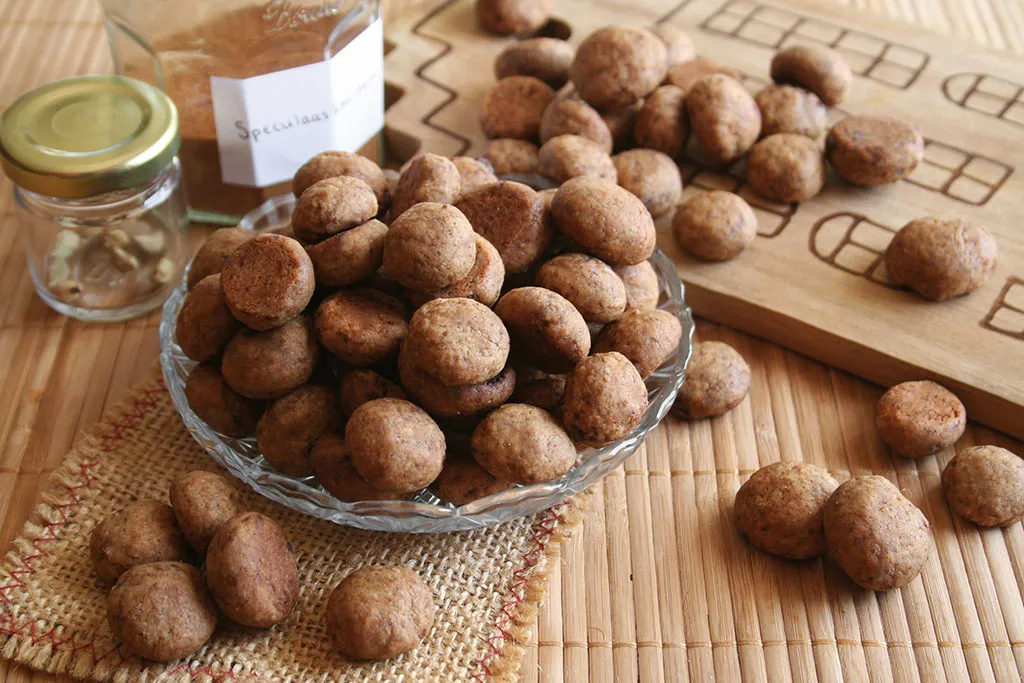
Pepernotenare traditional Dutch spiced cookies with origins dating back to the 16th century, closely linked to Sinterklaas celebrations in the Netherlands. They are one of the most recognizable treats of the holiday season and are often enjoyed throughout late autumn and early winter.
The name “Pepernoten” translates to “pepper nuts,” referring to the use of spices that were historically grouped under the term “pepper.” Despite the name, modern pepernoten usually contain no actual pepper. Their small, irregular shape resembles nuts, which inspired the second part of the name.
Traditional pepernoten are made from a dough flavored with rye flour, anise, cinnamon, cloves, and ginger, giving them a slightly chewy, crumbly texture rather than a crisp bite. They are mildly sweet and warmly spiced.
Decoration is simple and traditional. Pepernoten are typically left plain, without icing or glaze, and served in handfuls, though modern versions may be coated in chocolate or flavored toppings during the festive season.
Kruidnoten
From thegluttonlife.com
Kruidnotenare traditional Dutch spiced cookies that became popular in the 19th century, closely associated with Sinterklaas celebrations in the Netherlands. Although often confused with pepernoten, kruidnoten are a distinct treat and are now the most commonly eaten Sinterklaas cookie.
The name “Kruidnoten” comes from Dutch, with kruiden meaning spices and noten meaning nuts, referring to their small, nut-like shape and spiced flavor. The name highlights the aromatic spice blend used in the dough.
Traditional kruidnoten are made from a crisp dough flavored with speculaas spices, including cinnamon, cloves, nutmeg, ginger, cardamom, and white pepper. They are small, round, and crunchy, with a rich, caramel-like taste.
Decoration was originally simple, with the cookies served plain. In modern times, kruidnoten are often coated in chocolate, sugar glazes, or flavored toppings such as caramel or coconut, making them a colorful and popular seasonal treat.
Advocaat Dessert
From ohmydish.com
Advocaatis a traditional Dutch custard-like dessert and liqueur with origins dating back to the 17th century. It is believed to have been inspired by a creamy avocado-based drink from South America that Dutch colonists encountered, later adapted in Europe using eggs instead of avocados.
The name “Advocaat” comes from the Dutch word for lawyer. One popular explanation is that the drink was thick enough to “stick to the throat,” helping lawyers speak more smoothly during long speeches, though the name may also be a corruption of the word avocado.
Traditional advocaat is made from egg yolks, sugar, and brandy, resulting in a thick, rich, and creamy texture with a smooth vanilla-like flavor.
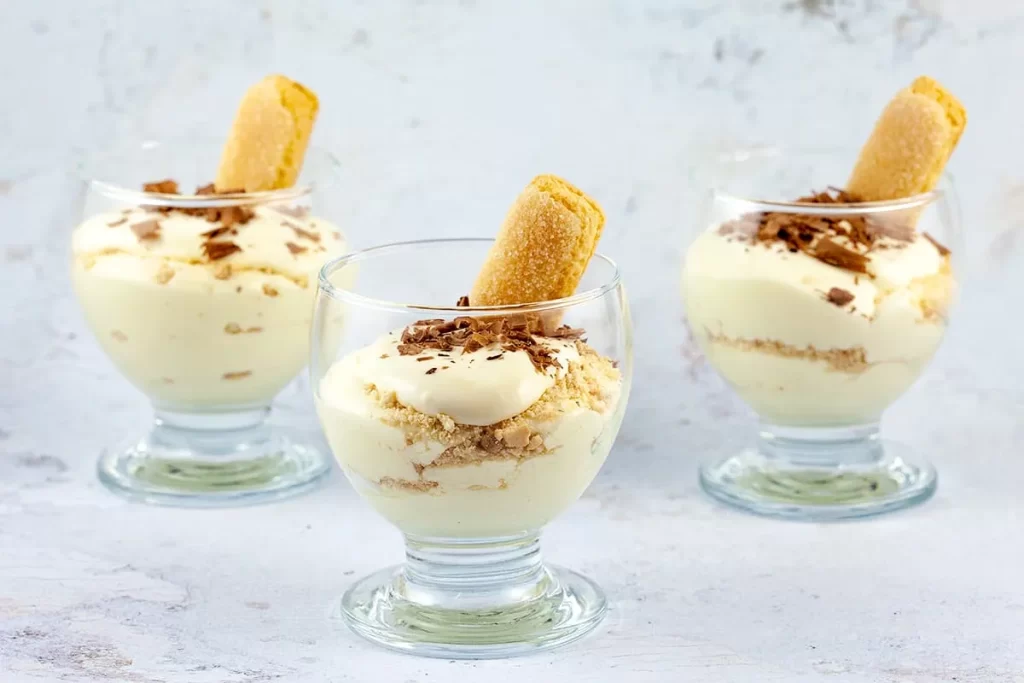
As a dessert, advocaat is often served in small glasses or bowls, sometimes topped with whipped cream, chocolate shavings, or used as a sauce over ice cream, waffles, or cake. Its bright yellow color and silky texture make it a distinctive festive favorite.