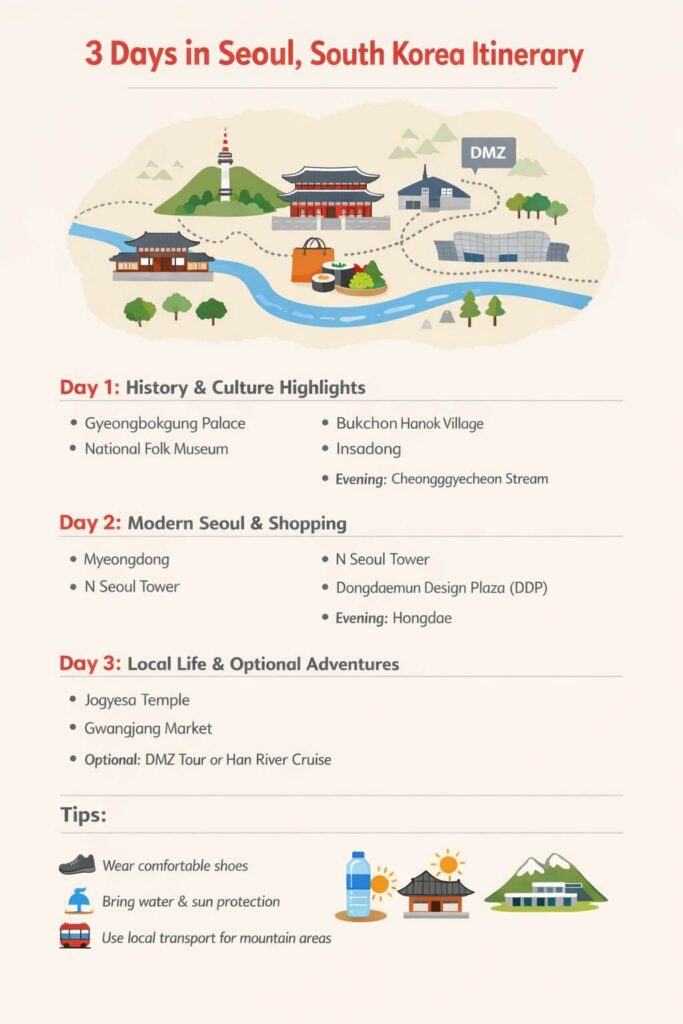
Seoul is a city where ancient palaces meet buzzing street markets and modern skyscrapers. This 3-day itinerary highlights the top 10 must-see spots so you can experience the best of Seoul’s culture, food, and city life. Want more details? Don’t miss my Seoul Travel Guidefor everything you need to plan your trip.
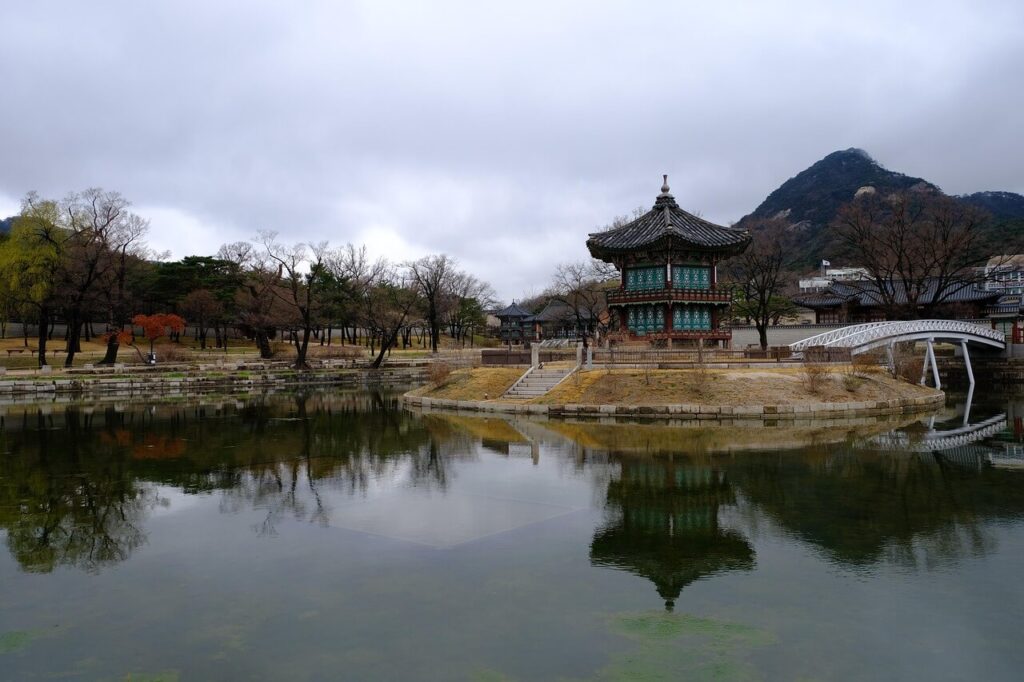
Gyeongbokgung Palace in Seoul, South Korea, is the largest and most iconic royal palace of the Joseon Dynasty. Built in 1395, it features grand gates, elegant pavilions, and scenic courtyards. Visitors can watch the royal guard ceremony and explore Korea’s rich history and heritage today.
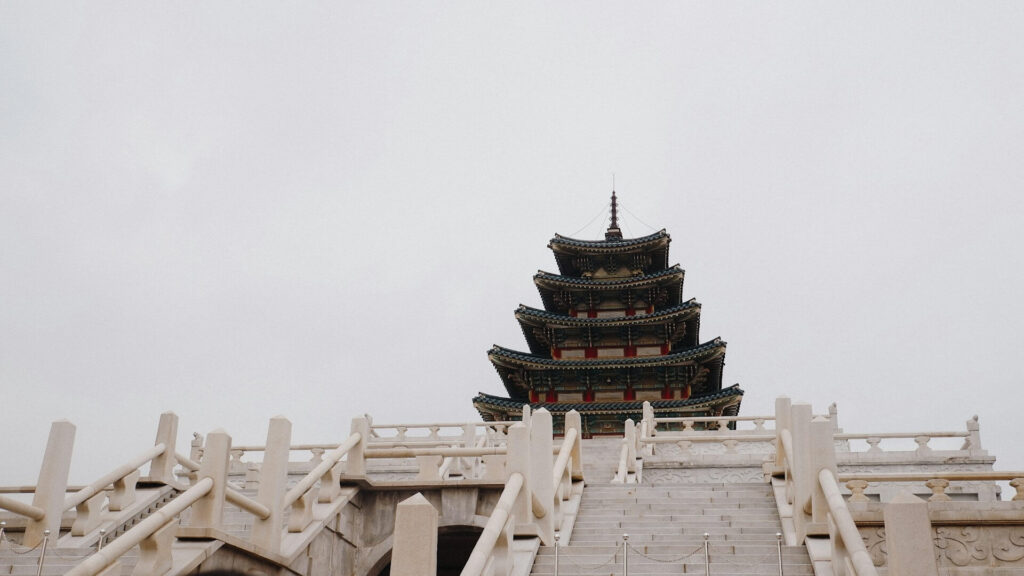
National Folk Museum of Koreashowcases traditional Korean life and culture through engaging exhibits and artifacts. Located within Gyeongbokgung Palace grounds, it highlights customs, agriculture, and daily life from past centuries. Visitors gain insight into Korea’s heritage through interactive displays, reconstructed villages, and educational programs.
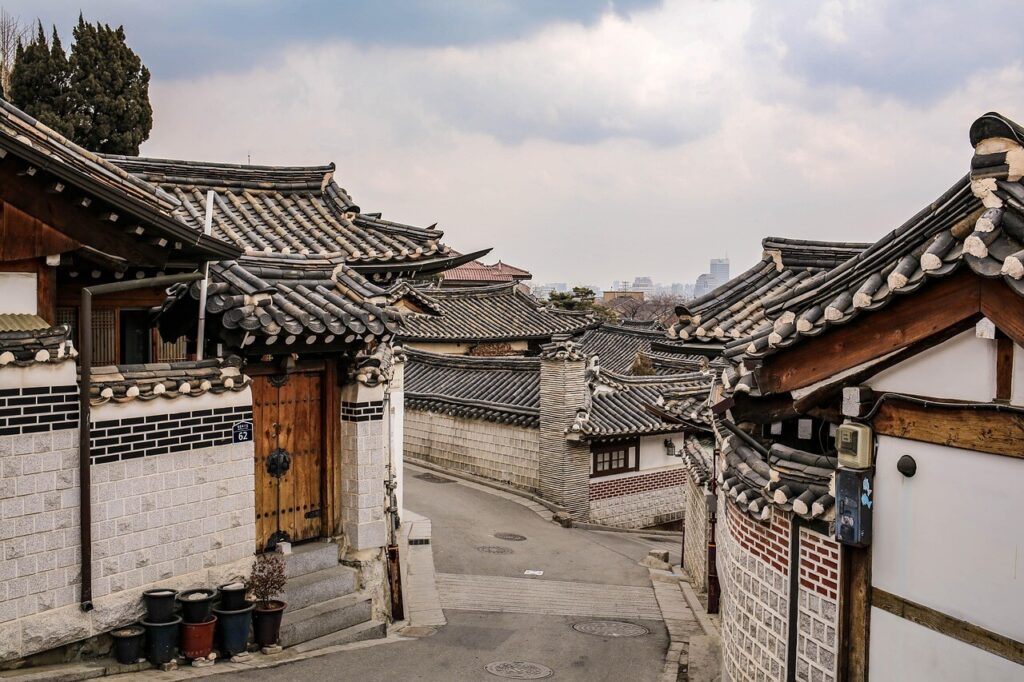
Bukchon Hanok Village is a charming neighborhood of traditional Korean houses between Gyeongbokgung and Changdeokgung Palaces. Visitors can stroll narrow alleys, admire wooden hanok architecture, and experience historic Seoul. The area offers cultural workshops, scenic views, and a glimpse into Korea’s preserved heritage and daily life.
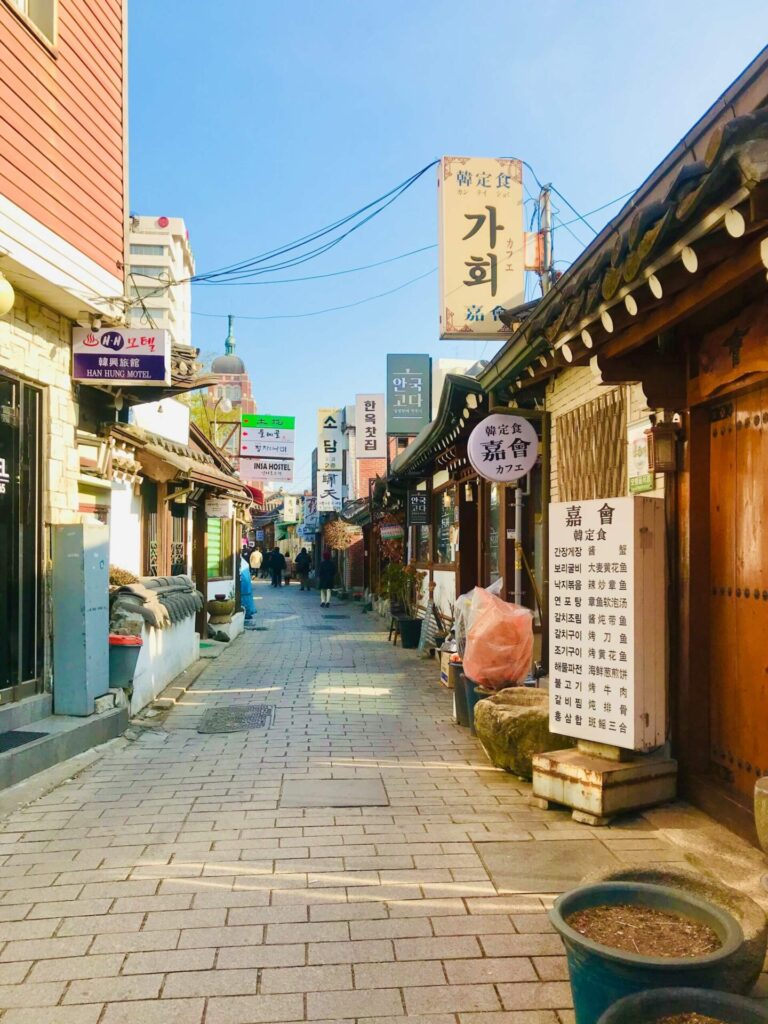
Insadongis a vibrant cultural district known for its traditional crafts, art galleries, and antique shops. Visitors can browse unique souvenirs, enjoy tea houses, and sample Korean street food. The lively streets blend history with modern culture, making it a must-visit destination in Seoul.
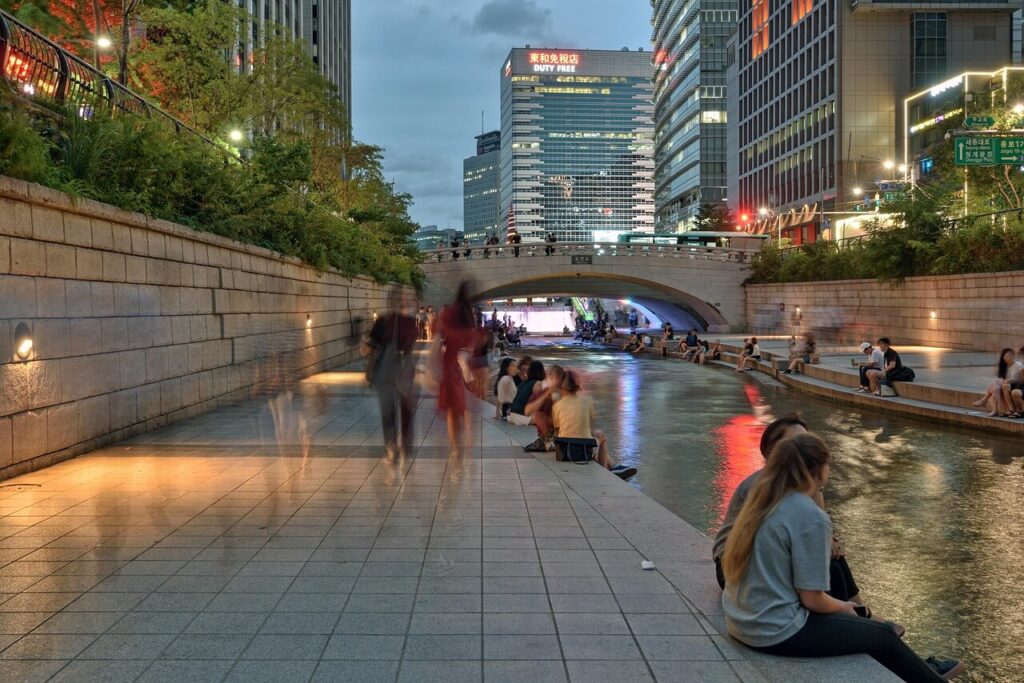
Cheonggyecheon Stream offers a peaceful evening escape in the heart of Seoul. This restored urban stream features illuminated pathways, gentle flowing water, and artistic light displays. Visitors can enjoy a relaxing stroll, cross small bridges, and experience a calm contrast to the city’s busy nightlife.
Want more details on these spots? Visit my Seoul Travel Guidefor tips, food recommendations, and travel advice.
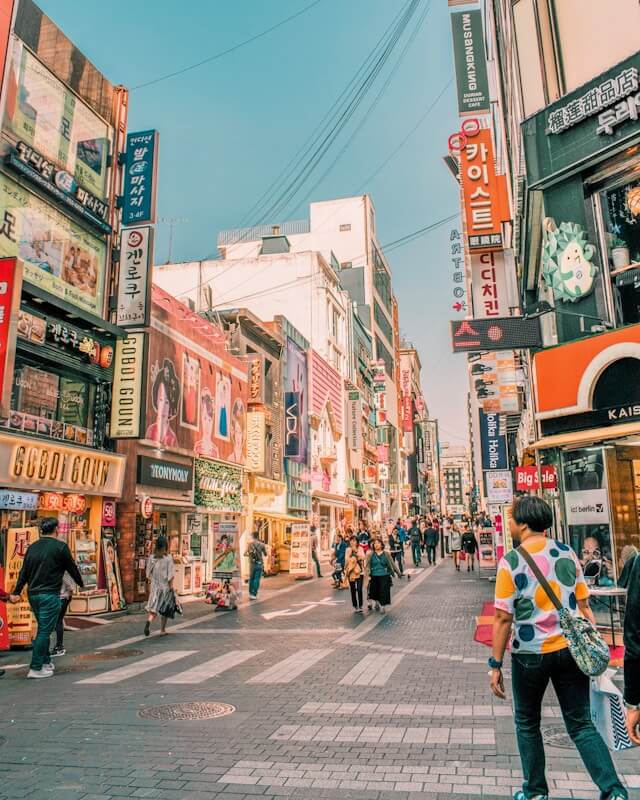
Myeongdongis a bustling shopping district famous for fashion boutiques, skincare stores, and street food stalls. Visitors can explore trendy shops, try Korean cosmetics, and taste local snacks. The vibrant atmosphere, bright lights, and lively crowds make it a must-visit destination in Seoul.
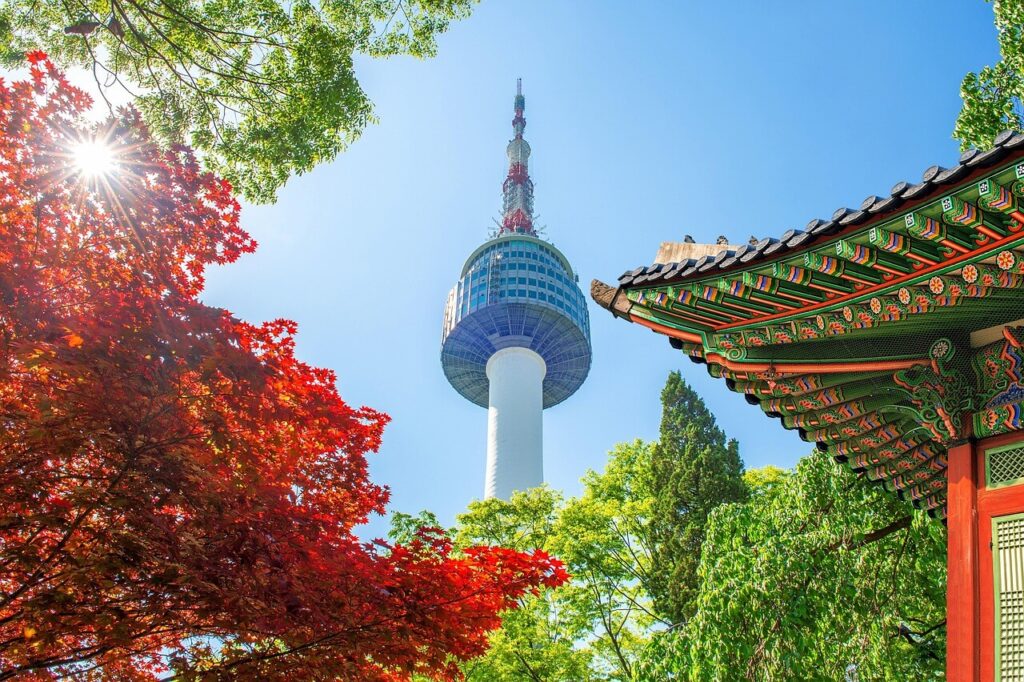
N Seoul Tower, also known as Namsan Tower, stands atop Namsan Mountain, offering panoramic views of Seoul. Visitors can ride a cable car, enjoy observation decks, and see love locks. The tower is especially popular at sunset and night for its stunning city skyline views.
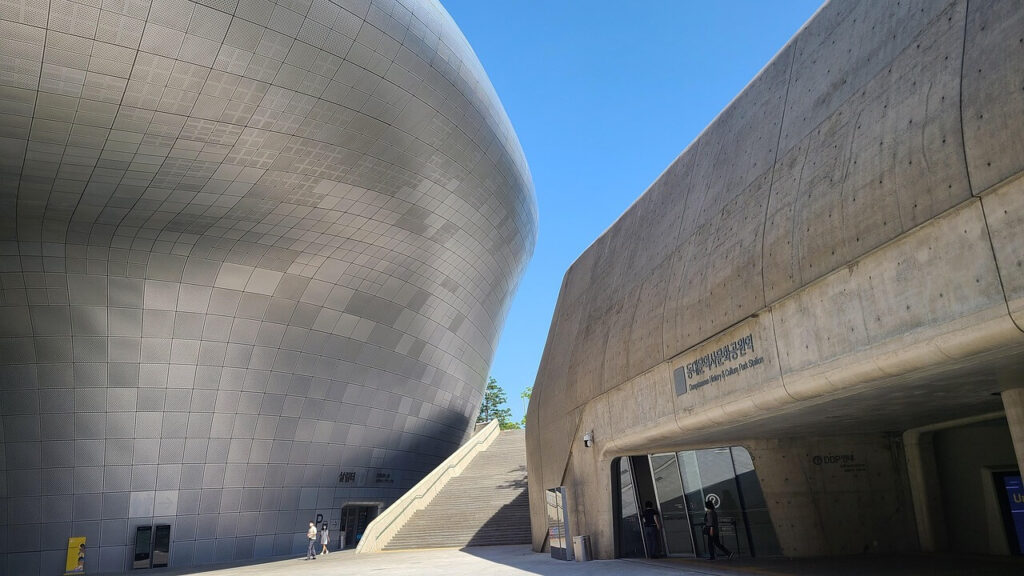
Dongdaemun Design Plaza is a futuristic cultural hub in Seoul known for its striking architecture by Zaha Hadid. It hosts exhibitions, fashion shows, and night markets. Visitors can explore design shops, LED rose gardens, and enjoy the vibrant atmosphere, especially in the evening when the building beautifully lights up.
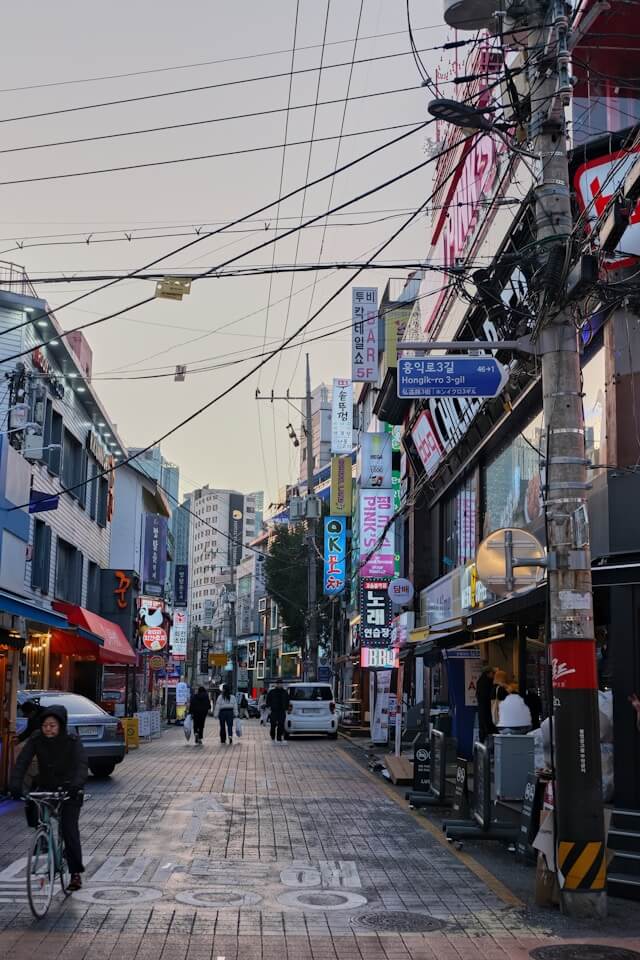
Hongdae comes alive in the evening with youthful energy, street performances, and vibrant nightlife. Located near Hongik University, it offers trendy cafes, bars, and clubs. Visitors can enjoy live music, explore unique shops, and experience Seoul’s creative culture in a lively, artistic atmosphere.
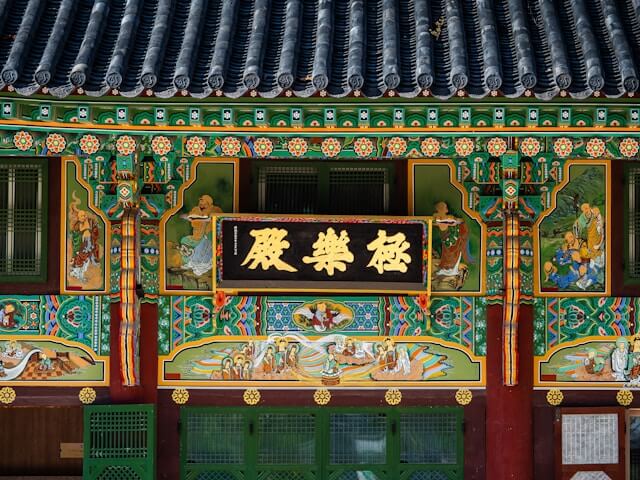
Jogyesa Temple is a serene Buddhist temple in central Seoul, known for its colorful lanterns and ancient trees. As the center of Korean Zen Buddhism, it offers a peaceful retreat. Visitors can admire traditional architecture, join temple programs, and experience spiritual tranquility in a bustling city.
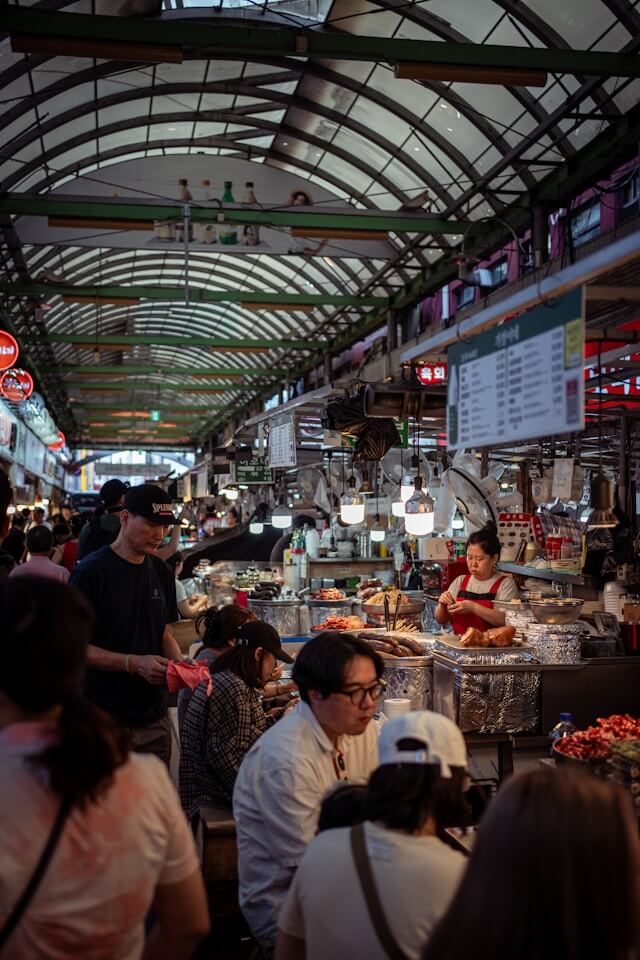
Gwangjang Marketis one of Seoul’s oldest traditional markets, famous for its lively atmosphere and authentic Korean street food. Visitors can sample dishes like bindaetteok and mayak gimbap, browse textiles, and experience local culture. The bustling stalls offer a vibrant taste of everyday Korean life.
3. Optional Afternoon Trip
A Korean Demilitarized Zone (DMZ) tour offers a unique glimpse into the divided Korean Peninsula. Visitors can explore sites like observation decks, tunnels, and border villages while learning about history. It provides insight into tensions, peace efforts, and the realities between North and South Korea.
A Han River cruise offers relaxing views of Seoul’s skyline and iconic bridges. Visitors can enjoy daytime scenery or evening lights reflecting on the water. Many cruises include music, dining, or entertainment, creating a memorable experience while gliding through the heart of the city.
For a complete guide to planning your trip, don’t miss my Seoul Travel Guide.